Marketing for food and drink brands: from first taste to the reorder
People cannot taste through a screen, so you have to make them want to. Where to start with Instagram, TikTok, ads and email to turn cravings into reorders.
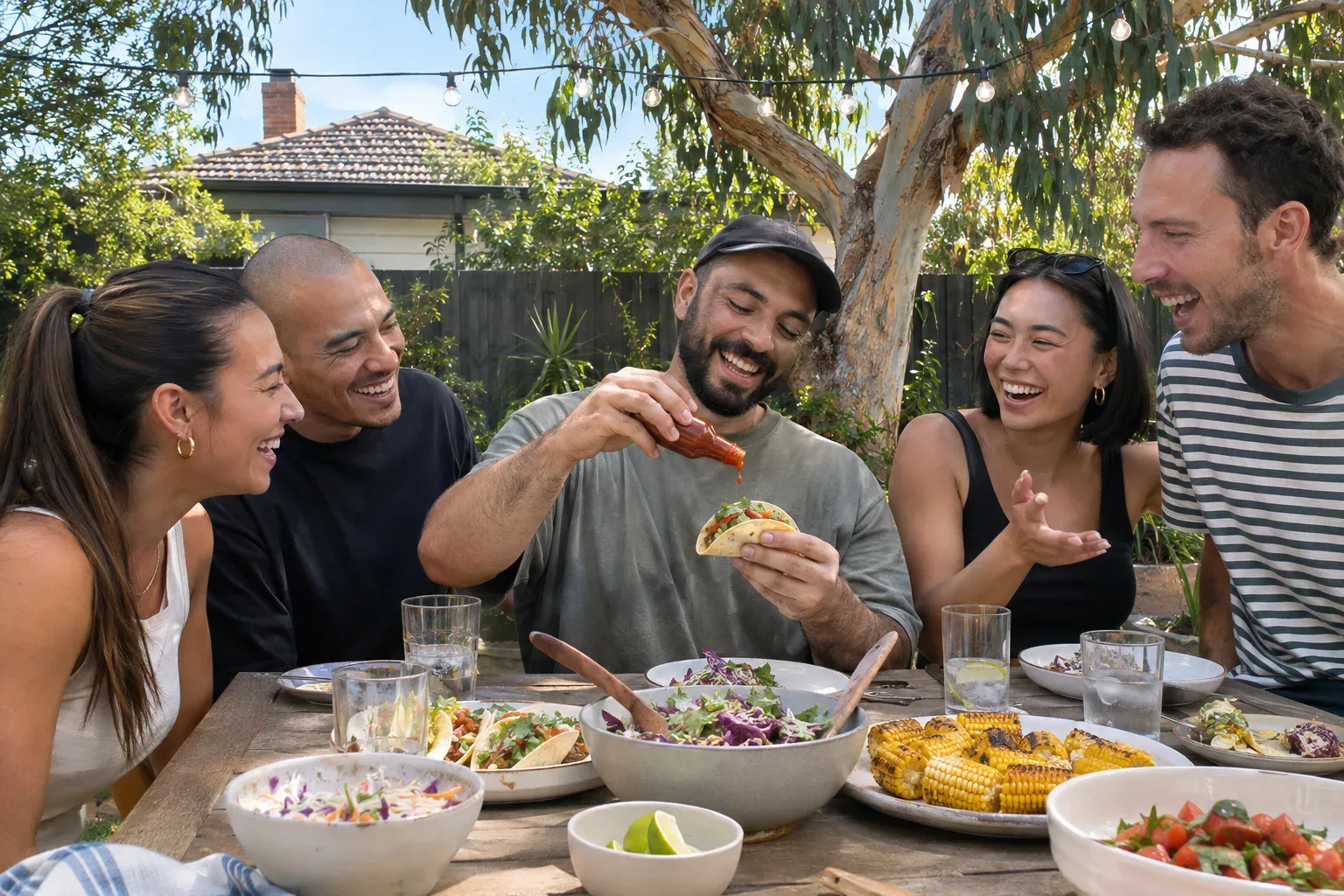
Nobody can taste your coffee, hot sauce or granola through a screen. Your marketing has to make people want it, trust it, and then order again once they have tried it. This guide shows where to start, what to skip, and how to see that it brings orders.
What actually brings customers to a food and drink brand
Food and drink is bought on craving and kept on habit. That second part sets it apart from most brands in Ecommerce: the first order is the start, not the goal. These things do most of the work:
- Making it look good to eat. Short videos of pouring, cooking, crunching and serving do more than a product shot on a plain background. People should almost taste it.
- Showing how to use it. Recipes, pairings and simple serving ideas give people a reason to buy and a reason to use it up.
- Instagram and TikTok. This is where people find new snacks, drinks and pantry staples. Recipe clips and honest first taste reactions travel far.
- Your email list and subscriptions. Food and drink gets used up. Reorder reminders, subscriptions and news of a new flavor turn one order into many.
- Meta ads. Your best food videos, run as ads, are how most brands reach buyers beyond their followers.
- Pinterest. People plan meals, parties and holiday baking there, and Pinterest ads put your product into those plans.
What is mostly a waste of time: chasing viral trends that have nothing to do with your product, posting only logos and promo graphics, handing out free samples with no way to follow up, and spreading yourself over every platform at once.
Start here: the first steps, in order
- Set up tracking. Connect Google Analytics, the Meta pixel and the Google tag to your store, and place a test order to check that purchases are recorded.
- Fix your bestseller pages. For your top products, add photos and a short video of the food or drink being made or served, what it tastes like in plain words, ingredients and allergens, how to use it, shelf life, shipping details, and reviews.
- Set up email and reorders. Offer a recipe collection or a thank you on the first order for signing up. Add a welcome series, an abandoned cart email, and a reminder timed to when a bag or bottle usually runs out. Offer a subscription if your product suits it.
- Choose your main channel. Instagram for most brands. TikTok if you can film quick recipes or reactions.
- Turn your best videos into ads. Use the clips that got real saves and comments. Test them as Meta ads on a modest budget, keep what brings orders, and stop what does not.
- Plan around food seasons. Write down the moments your product fits: grilling season, back to school lunches, holiday baking, gift boxes, New Year resolutions. Prepare posts and stock early.
A realistic week
A steady rhythm is enough. This is the plan Huuve runs for online stores, food and drink brands included:
A week of marketing for a food and drink brand
The plan Huuve runs for stores: 4 channels, what goes on each one and why. The week Fern & Fable gets.
Marketing channels
 Instagram4 posts a weekWhere your buyers browse. Packing-table Reels reach people who have never heard of you.
 TikTok3 posts a weekWhere the launches travel. One clip of the print press did more than a month of product shots.
 Facebook2 posts a weekWhere your repeat buyers are. Restock alerts sell through in days.
 Meta AdsYour buyers browse Facebook and Instagram, and ads bring your best products to people who have not heard of you. Huuve plans and writes the ads and you approve every one.
 Google AdsBuyers search for what you sell, and a Google ad puts your webshop at the top. Huuve plans and writes the ads and you approve every one.
- TikTok AdsProduct videos travel on TikTok, and ads take your best clip to many more buyers. Huuve plans and writes the ads and you approve every one.
 Pinterest AdsPeople plan purchases on Pinterest, and ads put your products in their search. Huuve plans and writes the ads and you approve every one.
 RadarPeople ask which product to buy and read reviews of every store, and Radar finds those posts. You answer the ones that matter first.
What to post
- Products in use35%Your products in real life, used by real people. Shoppers buy what they can picture in their own life.
- Take a photo of a bestseller being used at home
- Film a 15-second unboxing of a new product
- New and bestsellers25%What just arrived and what everyone buys. It gives people a reason to look now.
- Tell us what is new in the store this week
- Name your three bestsellers this month
- Customer photos and reviews20%Photos and words from people who bought. Proof from other buyers is what makes a stranger trust a store.
- Share a review a customer left this week
- Ask a customer for a photo of their order
- Behind the brand20%How products are made, picked or packed, and the people behind them. It makes a store a brand people root for.
- Film 15 seconds of an order being packed
- Take a photo of a new product being made or picked
Instagram carries most of the week, because people browse and save food there. TikTok is where a good recipe clip reaches people who have never heard of you. Facebook holds many of your repeat buyers, and for a product people use up, that is where reorders start: a restock, a new flavor, a seasonal box.
For a food and drink brand, the four parts of the week look like this:
- Products in use. About a third of your posts. A 20 second recipe with your sauce, your cold brew poured over ice, your granola in a real breakfast bowl.
- New and bestsellers. A new flavor, your three bestsellers this month, a batch that is almost gone.
- Customer photos and reviews. A customer's dish shared with permission, or the product with the most five star reviews.
- Behind the brand. An order being packed, a batch being made in your kitchen, why you started.
You film the food and the kitchen. Huuve writes the new flavor, bestseller and review posts.
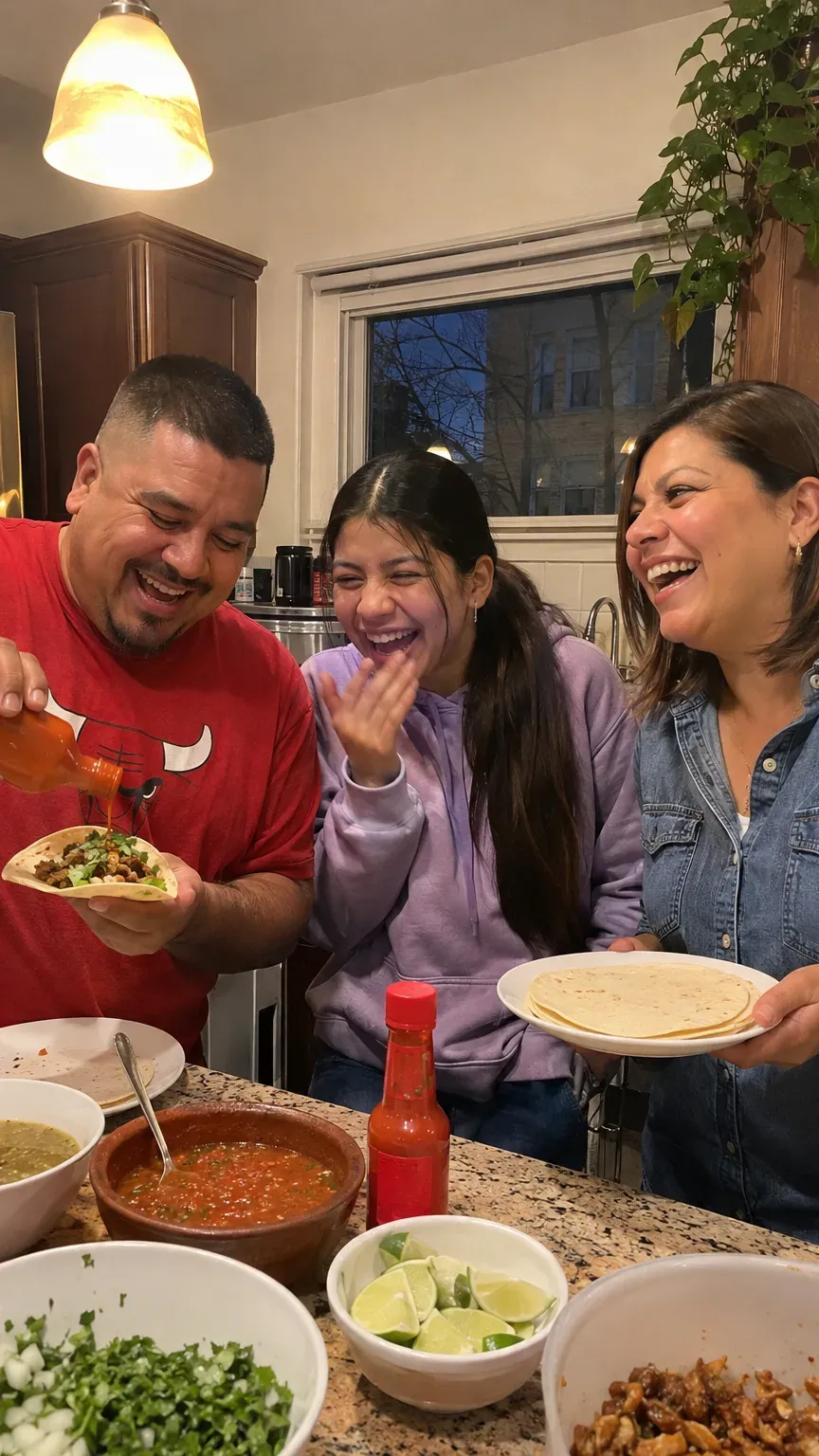
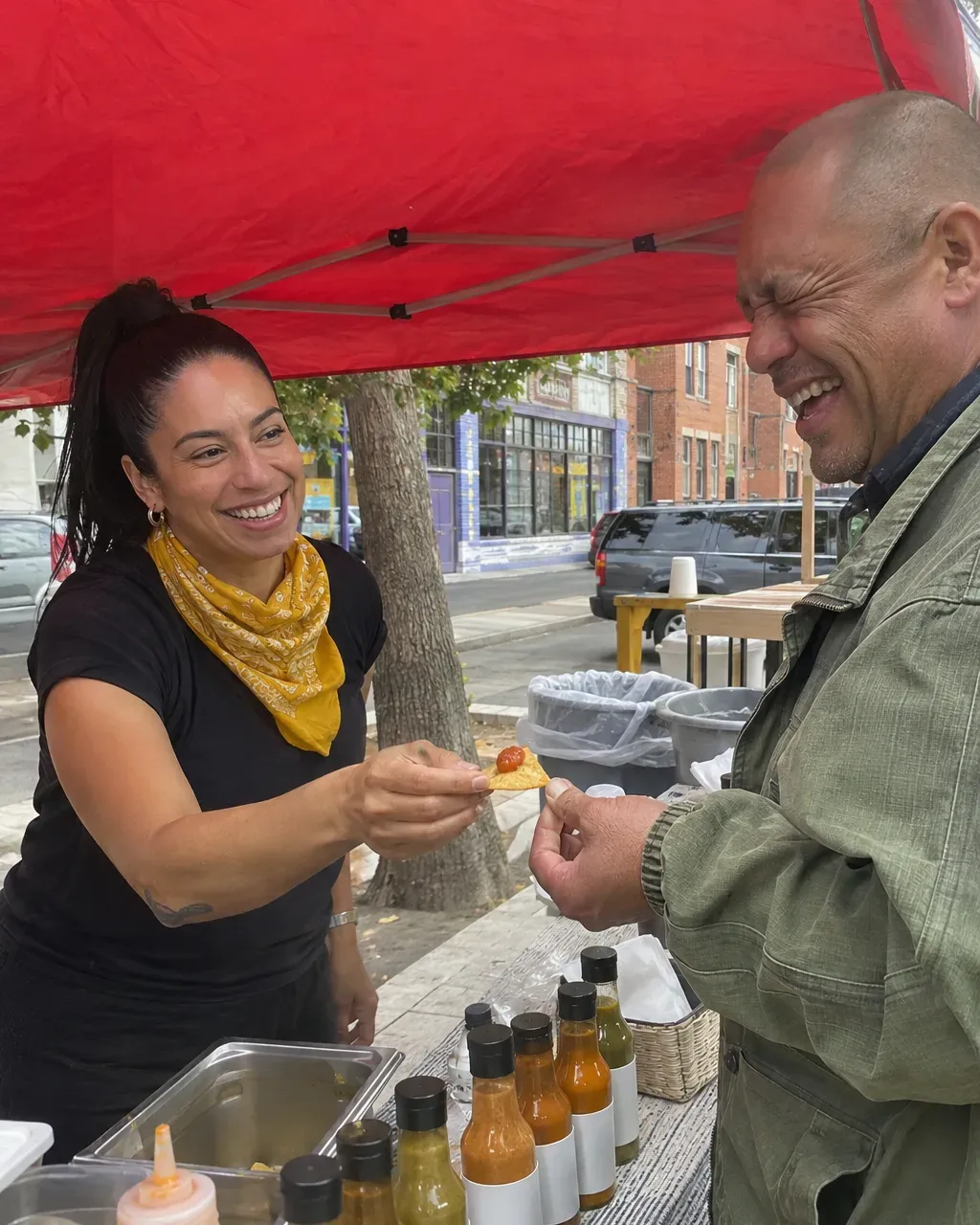
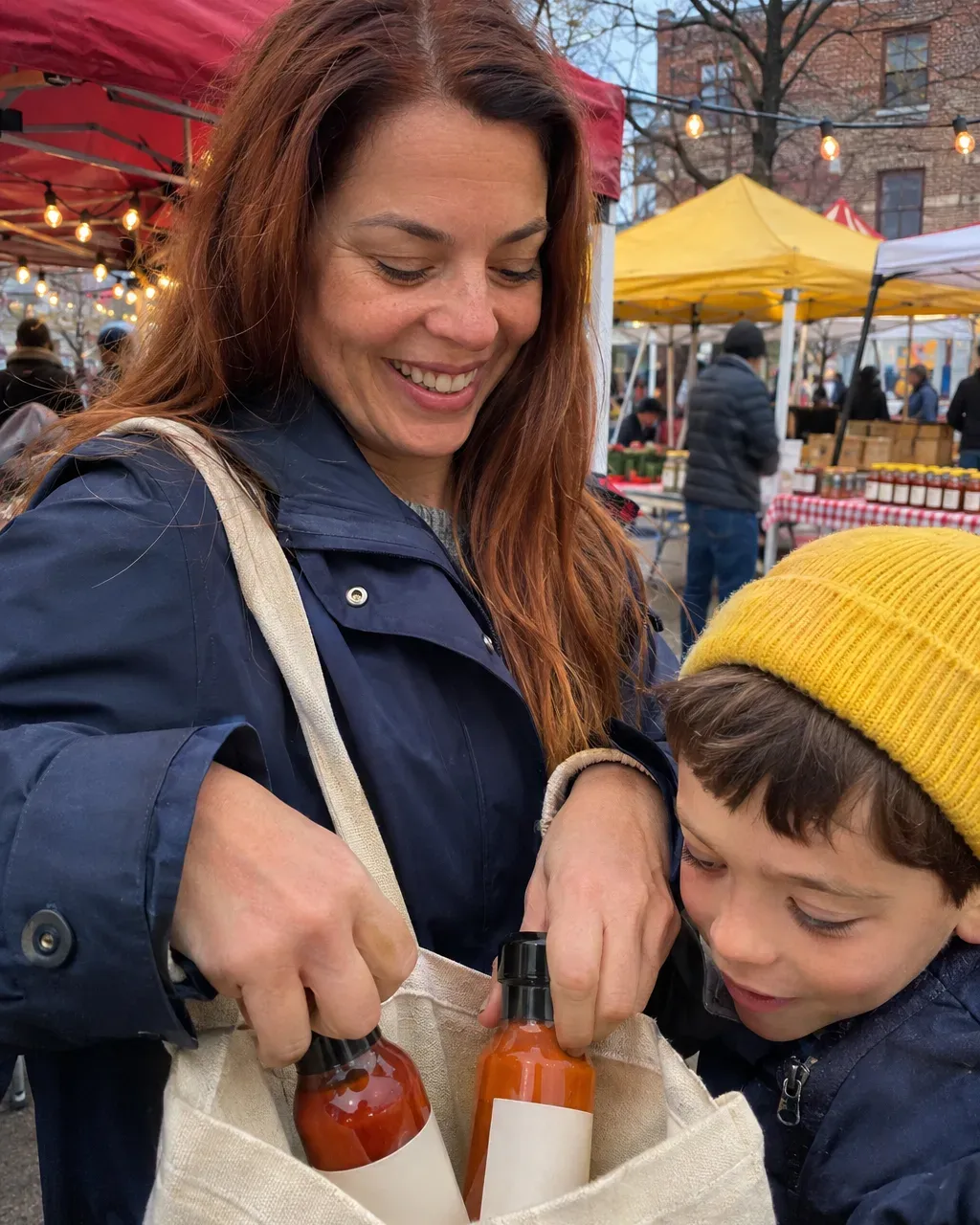
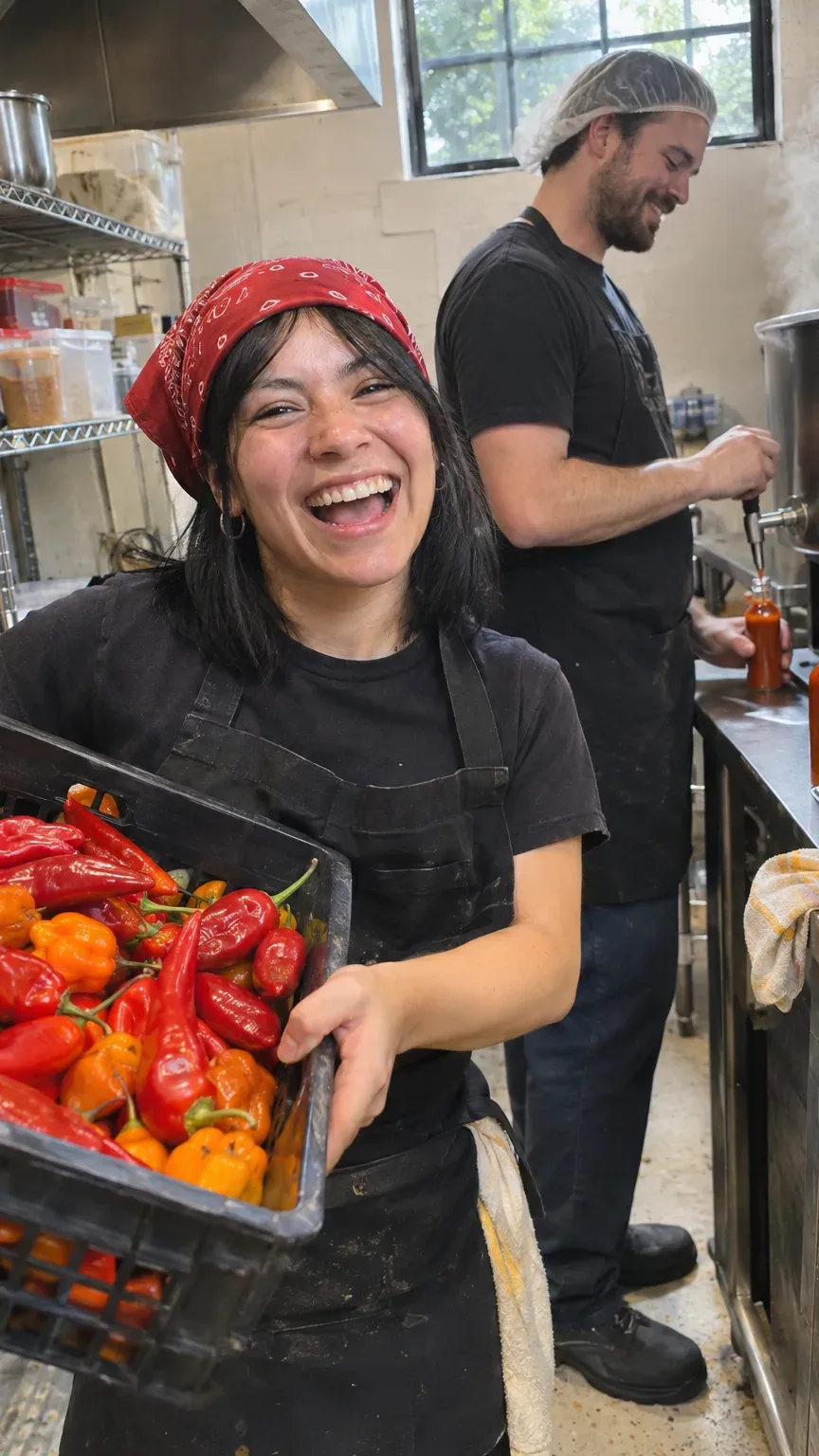
Posts for Sauce Hound



Ads for Sauce Hound

Around the posts:
- Stories most days. A poll on the next flavor, a "back in stock", a quick serving tip.
- One email. A recipe, a new flavor, a seasonal box, or a reminder before a holiday shipping cutoff.
- Answer every message and comment. Questions about allergens, ingredients, shipping in hot weather and how long it keeps are buyers deciding. Answer them clearly.
- Reply to new reviews, and check your ads twice: pause what spends without selling, refresh what is slowing down.
What to measure
Skip the likes. Watch these:
- Orders and revenue, and which channel brought them.
- Repeat order rate, and how long it takes people to reorder. This is the heart of a food and drink business.
- Subscriptions: new ones, cancellations, and how long people stay.
- Return on ad spend, per campaign and per video. Since people reorder, a first order can be worth more than it looks, so judge ads on what customers spend over time too.
- Average order value. Bundles and variety packs often raise it.
- Email revenue, especially from reorder reminders.
Know what you keep on each order. Heavy, fragile or cold items cost more to ship, and that decides how much you can spend to win a customer.
Do's and don'ts
Do
- Film your food being poured, cooked or served, close up and in good light
- Give every product a simple recipe or serving idea
- Set up a reminder timed to when a bag or bottle runs out
- List ingredients and allergens plainly on every product page
- Ask buyers to review after they have tried it, and to say how they used it
- Prepare seasonal posts and stock weeks ahead
Don't
- Make health claims about what your product cures
- Launch too many flavors at once
- Post photos that do not make the food look good to eat
- Hand out samples with no way to follow up
- Chase trends that have nothing to do with your product
- Run constant discounts instead of a reorder plan
People also ask Google and ChatGPT things like "low sugar granola" or "hot sauce gift set". Clear product pages, ingredients, recipes on your site and reviews help you show up in those answers.
Get set up
The first channels to set up for a food and drink brand, each with a step by step guide:
 Set up Google Analytics 4Install it, mark purchases as conversions, and see which channel brings orders.
- Set up an Instagram Business accountSwitch to a professional account and get your profile ready to publish and measure.
- Set up a TikTok Business accountCreate the account and set up a profile that turns viewers into buyers.
- Set up your Facebook Page for businessCreate the Page and get it ready for publishing, Instagram and your repeat buyers.
- Set up your Meta ads accountBusiness portfolio, ad account and pixel, done right once.
- Connect Huuve to ChatGPT or ClaudePlan, write and answer in your own words, right inside your own AI.
Frequently asked questions


Where to start today
Film 20 seconds of your best seller being poured, cooked or served, close up, in daylight, and post it. Then check your top product page for taste in plain words, ingredients, allergens and shipping details. Last, set up one reorder reminder timed to when your product usually runs out. That single email is where a food and drink brand starts to grow.
The two things that matter most
Whatever you choose to do, two things decide whether your marketing grows: being consistent and being data-driven. Show up every week, not in bursts, because people forget a business that goes quiet. And look at what actually brought customers in before you plan the next week, so you do more of what works. Without both, you are mostly guessing, and growth comes and goes.
Let Huuve do it for you
Huuve does all of this for you on autopilot. It plans every week from what brought customers in, writes the posts and keeps you consistent, while you spend about 15 minutes approving it. That can save you 10+ hours a week. See how it works, or ask your own AI if Huuve fits you.

Try Huuve for 30 days
Huuve runs your Instagram, TikTok, Facebook and ads from one place and plans each week around your seasons. You approve it in about 15 minutes, with your money back within 30 days if it is not for you.
From $149 a month
30-day money-back guarantee