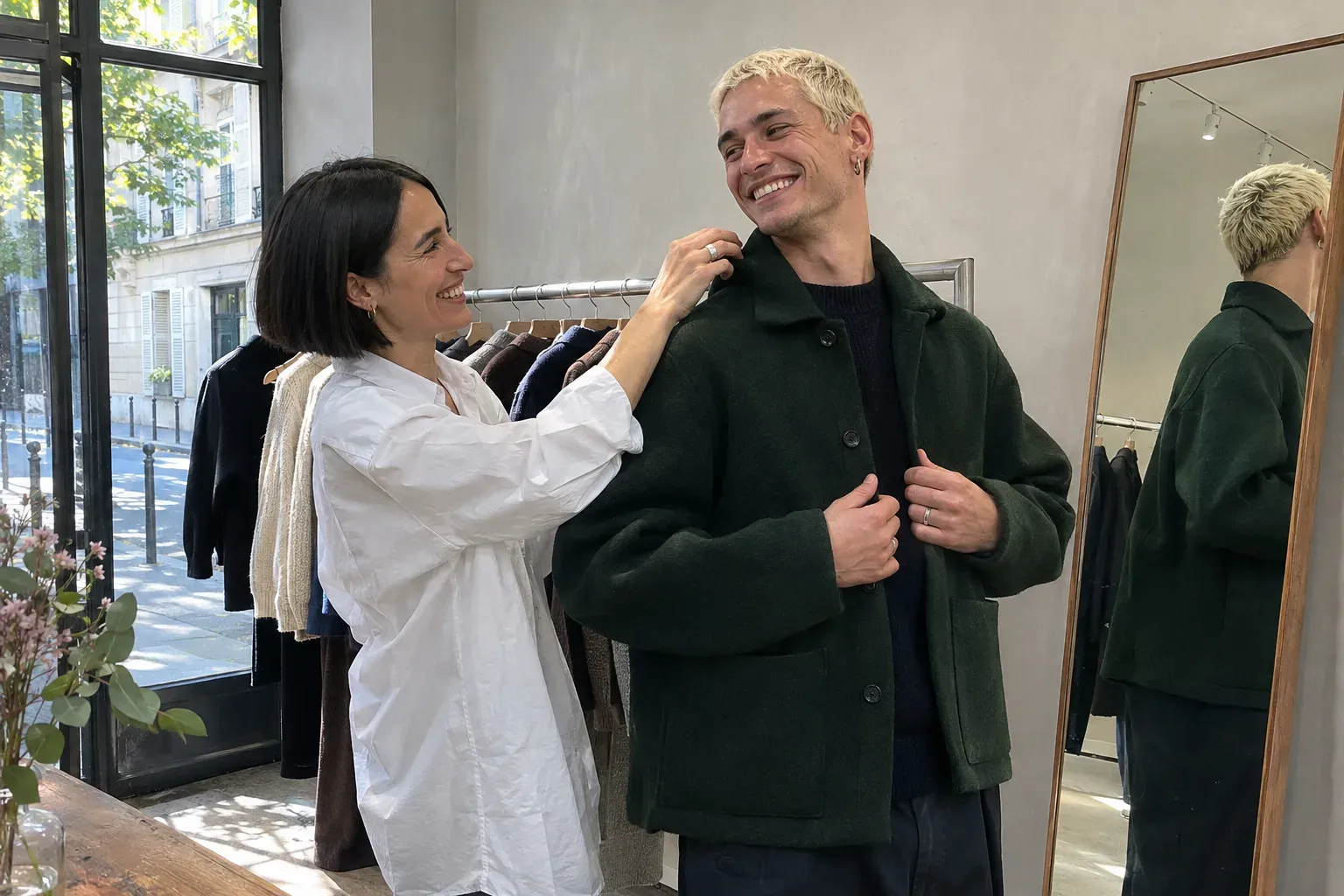
People buy clothes when they can picture themselves wearing them. Your job is to show your pieces on real people, in real light, often enough that the right buyers remember you when they are ready. This guide shows where to start, what to skip, and how to know your marketing sells clothes, not just likes.
What actually brings customers to a fashion brand
Fashion is visual and personal. Like most brands in Ecommerce, a few things do most of the work:
- Seeing the clothes worn. Try on videos, outfit ideas and photos on different body types answer the biggest question: will this look good on me? Flat lays alone rarely sell a dress.
- Instagram and TikTok. This is where people discover new brands, save outfits and come back later. Short videos that show fit, fabric and movement sell better than polished campaign shots alone.
- Meta ads. Your best organic videos, run as ads to people like your buyers, are how most fashion brands grow past friends and followers.
- Pinterest. People plan outfits, seasons and events there. Pinterest ads put a look in front of them while they plan.
- Your email list. New drops, restocks of popular sizes and early access for subscribers turn interest into orders without paying for every click.
- Fit details and reviews. Clear size guides and reviews that mention fit lower returns and give a hesitant buyer the push to order.
What is mostly a waste of time: only posting product shots on a plain background, paying for big influencer posts before you know what sells, running constant sales that train people to wait, and launching on every platform at once.
Start here: the first steps, in order
- Set up tracking. Connect Google Analytics, the Meta pixel and the Google tag to your store, and place a test order to check it records a purchase. Every later decision depends on this.
- Fix your bestseller pages. For your top pieces, add photos on more than one body type, a short video of the piece moving, a size guide with real measurements, the fabric and care, and how it fits ("runs small, size up"). This cuts returns and lifts orders.
- Build your email list. Offer early access to new drops or a thank you on the first order. Set up a welcome series, an abandoned cart email and a back in stock alert.
- Choose your main channel. Instagram for most brands. TikTok if you or your team are comfortable on camera and can show try ons.
- Turn your best posts into ads. Take the videos that got real saves, shares and clicks, and test them as Meta ads on a modest budget. Keep what brings orders.
- Plan your drops. Fashion runs on seasons and newness. Put your next two or three launches on a calendar so posts, emails and ads are ready before the drop, not after.
A realistic week
A steady, honest rhythm beats bursts of posting. This is the plan Huuve runs for online stores, fashion brands included:
A week of marketing for a fashion brand
The plan Huuve runs for stores: 4 channels, what goes on each one and why. The week Fern & Fable gets.
Marketing channels
 Instagram4 posts a weekWhere your buyers browse. Packing-table Reels reach people who have never heard of you.
 TikTok3 posts a weekWhere the launches travel. One clip of the print press did more than a month of product shots.
 Facebook2 posts a weekWhere your repeat buyers are. Restock alerts sell through in days.
 Meta AdsYour buyers browse Facebook and Instagram, and ads bring your best products to people who have not heard of you. Huuve plans and writes the ads and you approve every one.
 Google AdsBuyers search for what you sell, and a Google ad puts your webshop at the top. Huuve plans and writes the ads and you approve every one.
- TikTok AdsProduct videos travel on TikTok, and ads take your best clip to many more buyers. Huuve plans and writes the ads and you approve every one.
 Pinterest AdsPeople plan purchases on Pinterest, and ads put your products in their search. Huuve plans and writes the ads and you approve every one.
 RadarPeople ask which product to buy and read reviews of every store, and Radar finds those posts. You answer the ones that matter first.
What to post
- Products in use35%Your products in real life, used by real people. Shoppers buy what they can picture in their own life.
- Take a photo of a bestseller being used at home
- Film a 15-second unboxing of a new product
- New and bestsellers25%What just arrived and what everyone buys. It gives people a reason to look now.
- Tell us what is new in the store this week
- Name your three bestsellers this month
- Customer photos and reviews20%Photos and words from people who bought. Proof from other buyers is what makes a stranger trust a store.
- Share a review a customer left this week
- Ask a customer for a photo of their order
- Behind the brand20%How products are made, picked or packed, and the people behind them. It makes a store a brand people root for.
- Film 15 seconds of an order being packed
- Take a photo of a new product being made or picked
Instagram carries most of the week, because that is where your buyers browse and save looks. TikTok is where launches travel: a behind the scenes clip of a new piece can reach people who have never heard of you. Facebook holds many of your repeat buyers, so a restock of a sold out size lands well there.
For a fashion brand, the four parts of the week look like this:
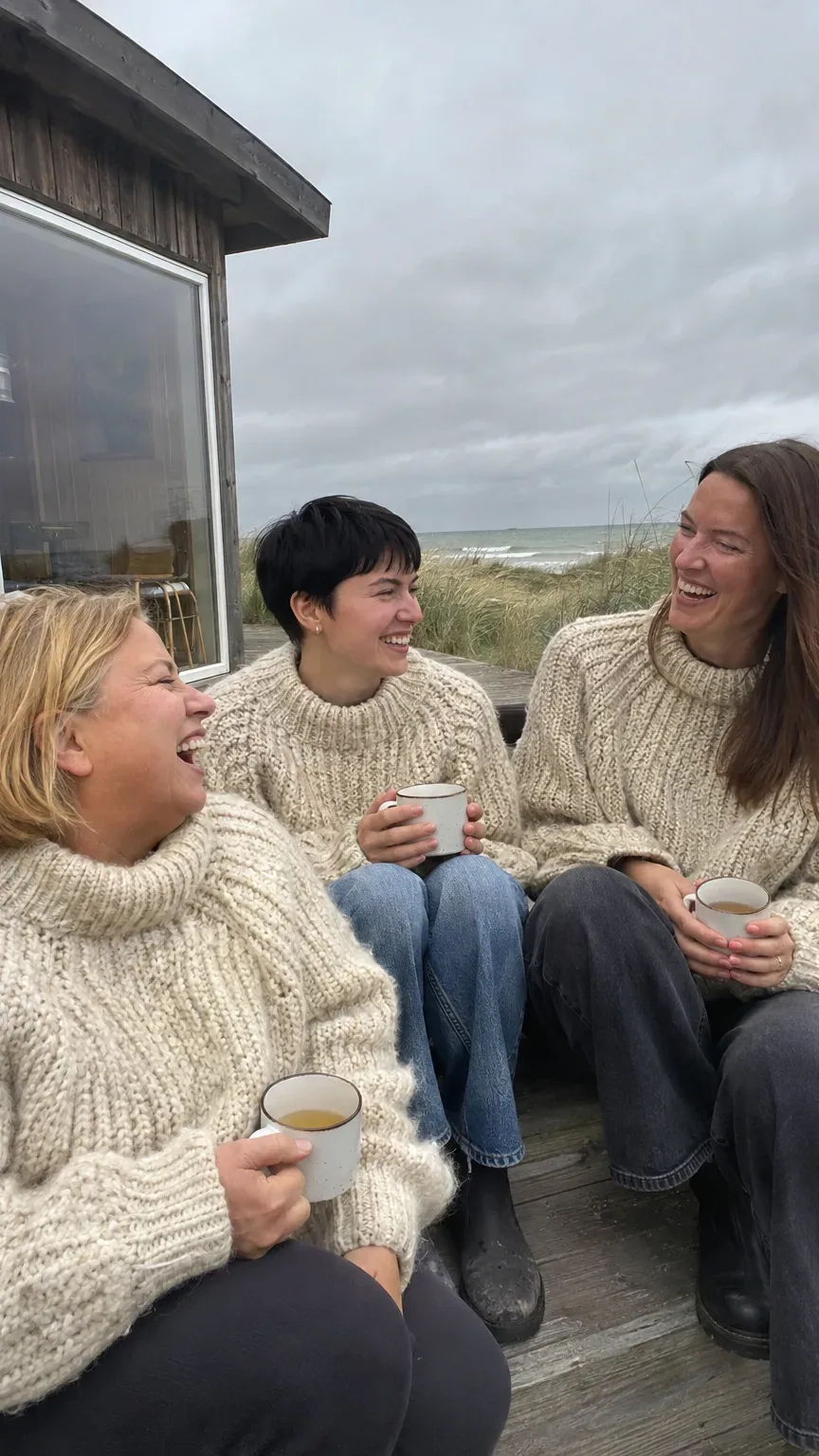
- Products in use. About a third of your posts. A try on of one piece in three sizes, three ways to wear the same jacket, a close up of the fabric moving in daylight.
- New and bestsellers. What just landed, your three bestsellers this month, the size that is almost gone.
- Customer photos and reviews. A customer's outfit shared with permission, or a review that says how a piece fits.
- Behind the brand. An order being packed, a sample on the cutting table, why you started the label.
You film the try ons and the studio. Huuve writes the drop, bestseller and review posts.
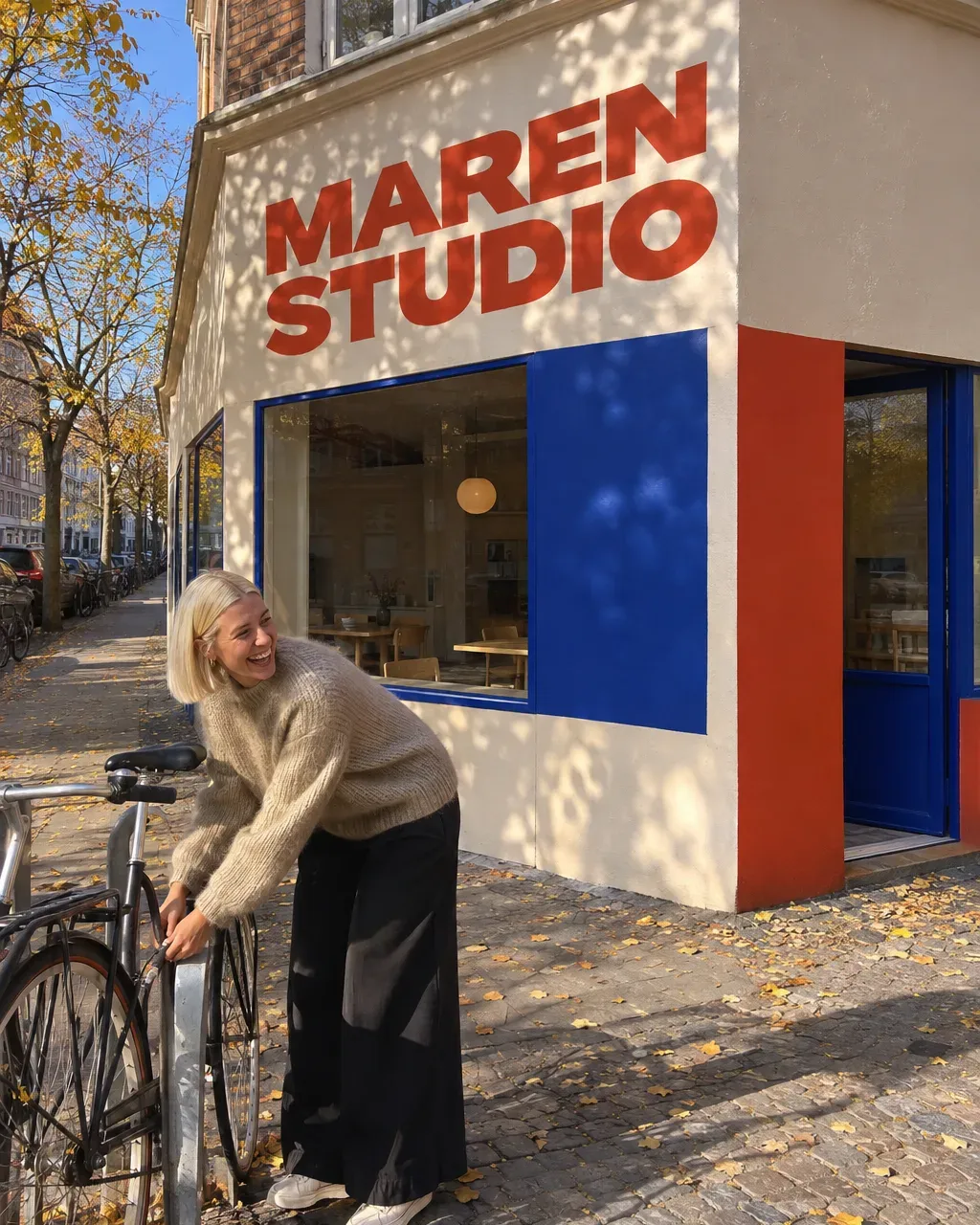
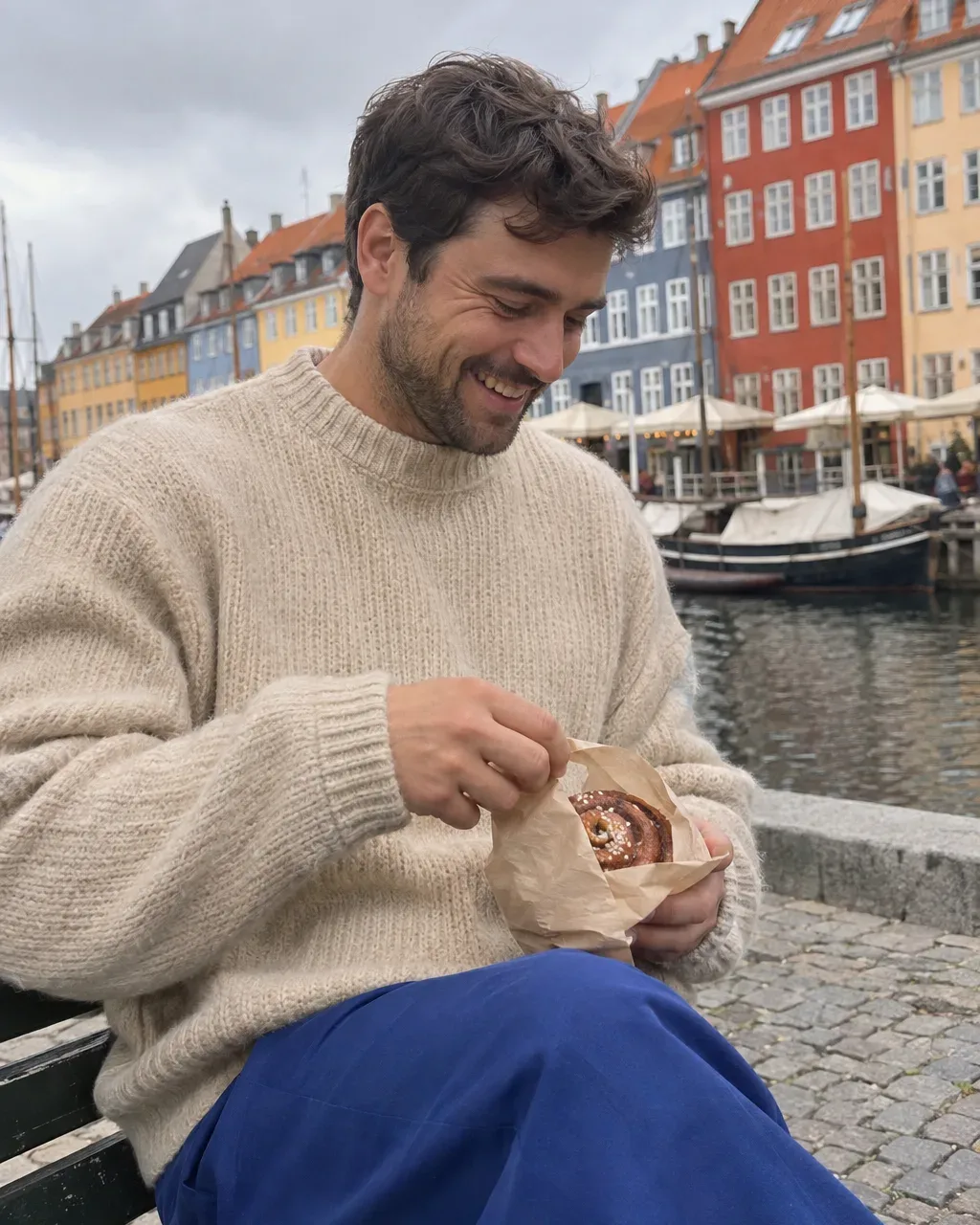
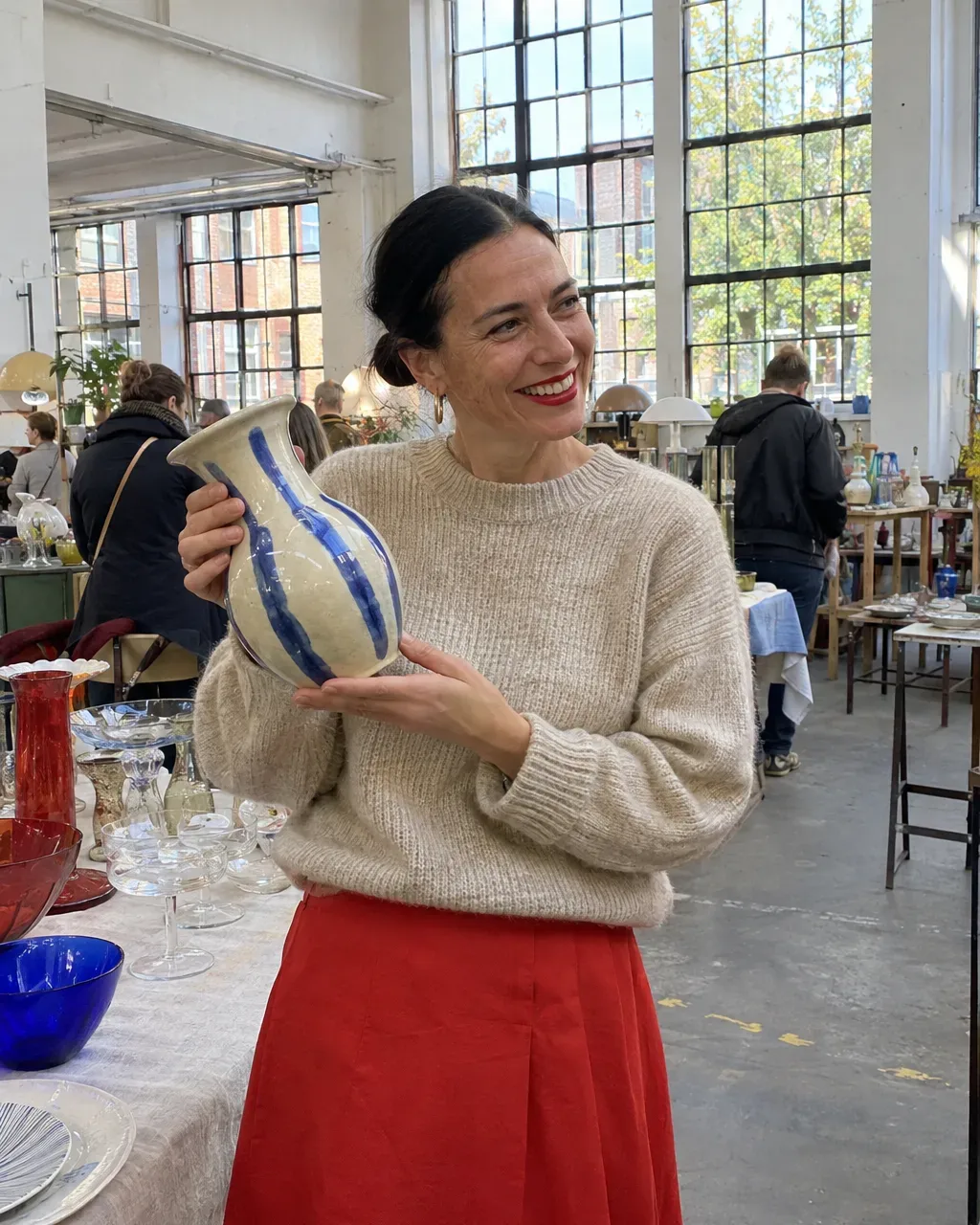
Posts for Maren Studio

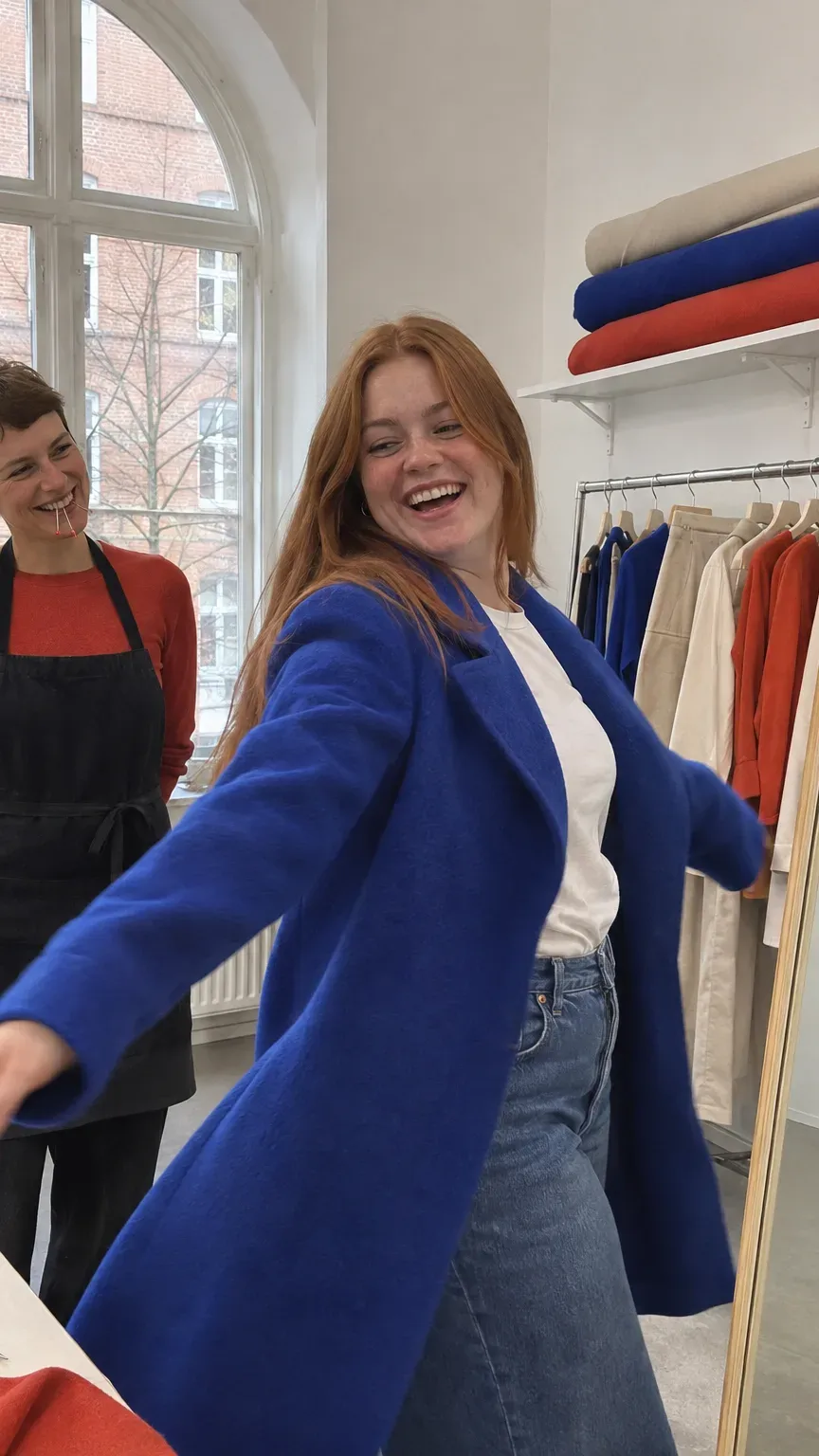

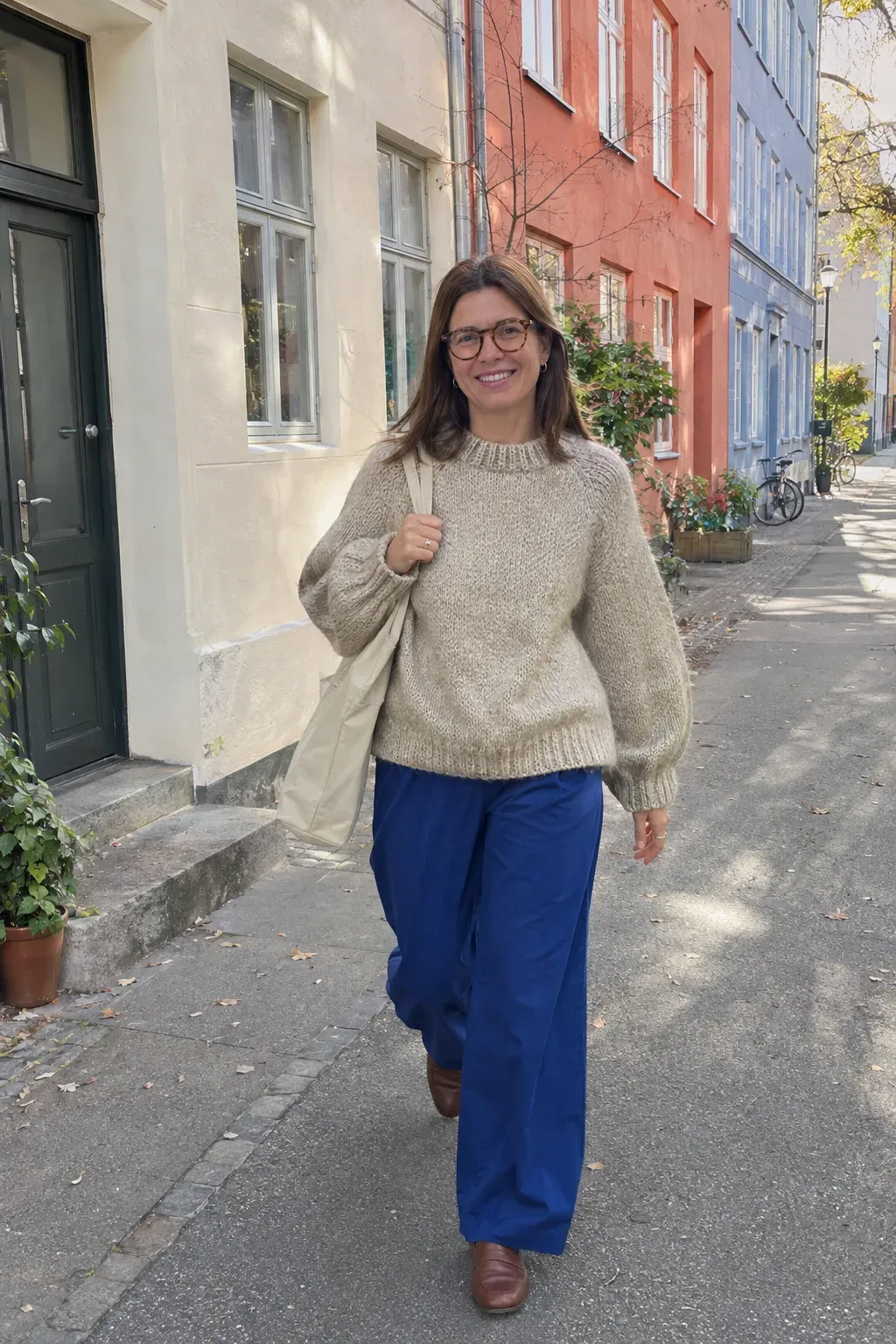
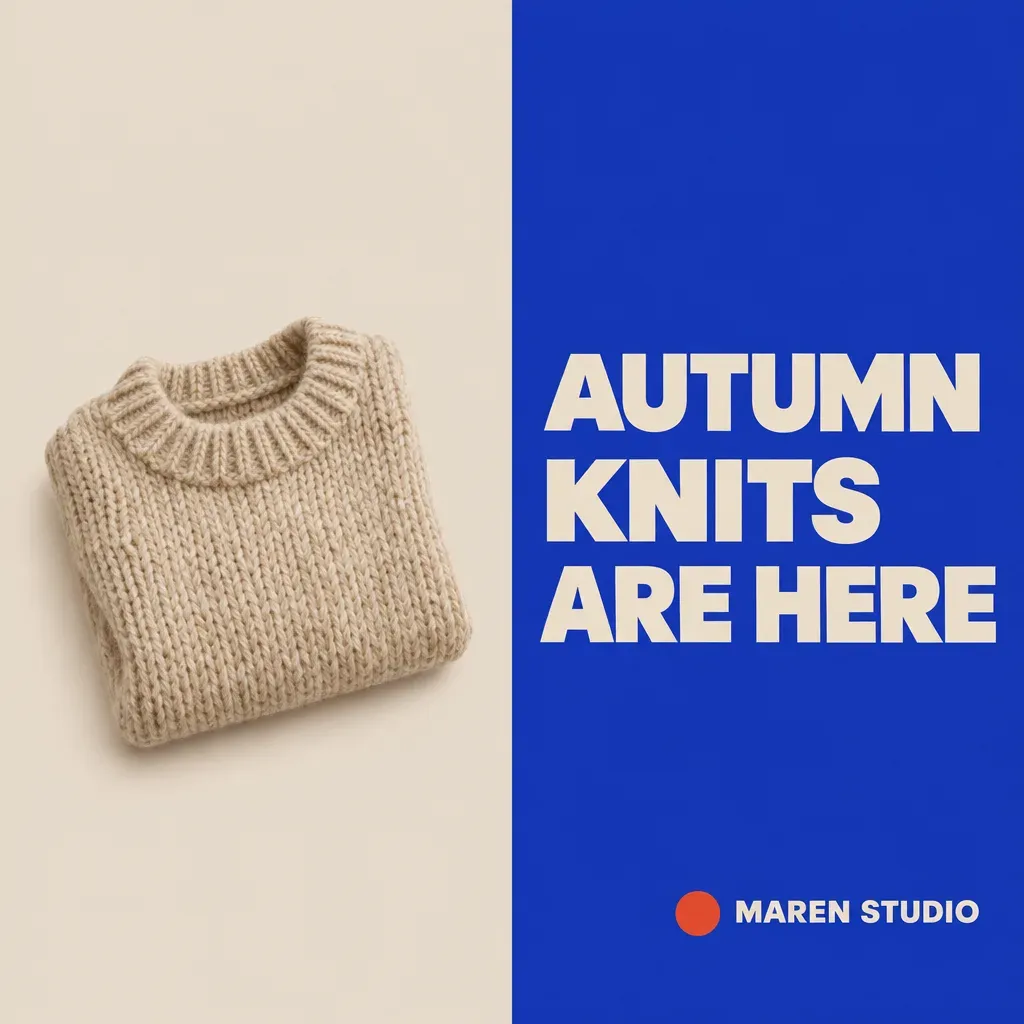

Ads for Maren Studio
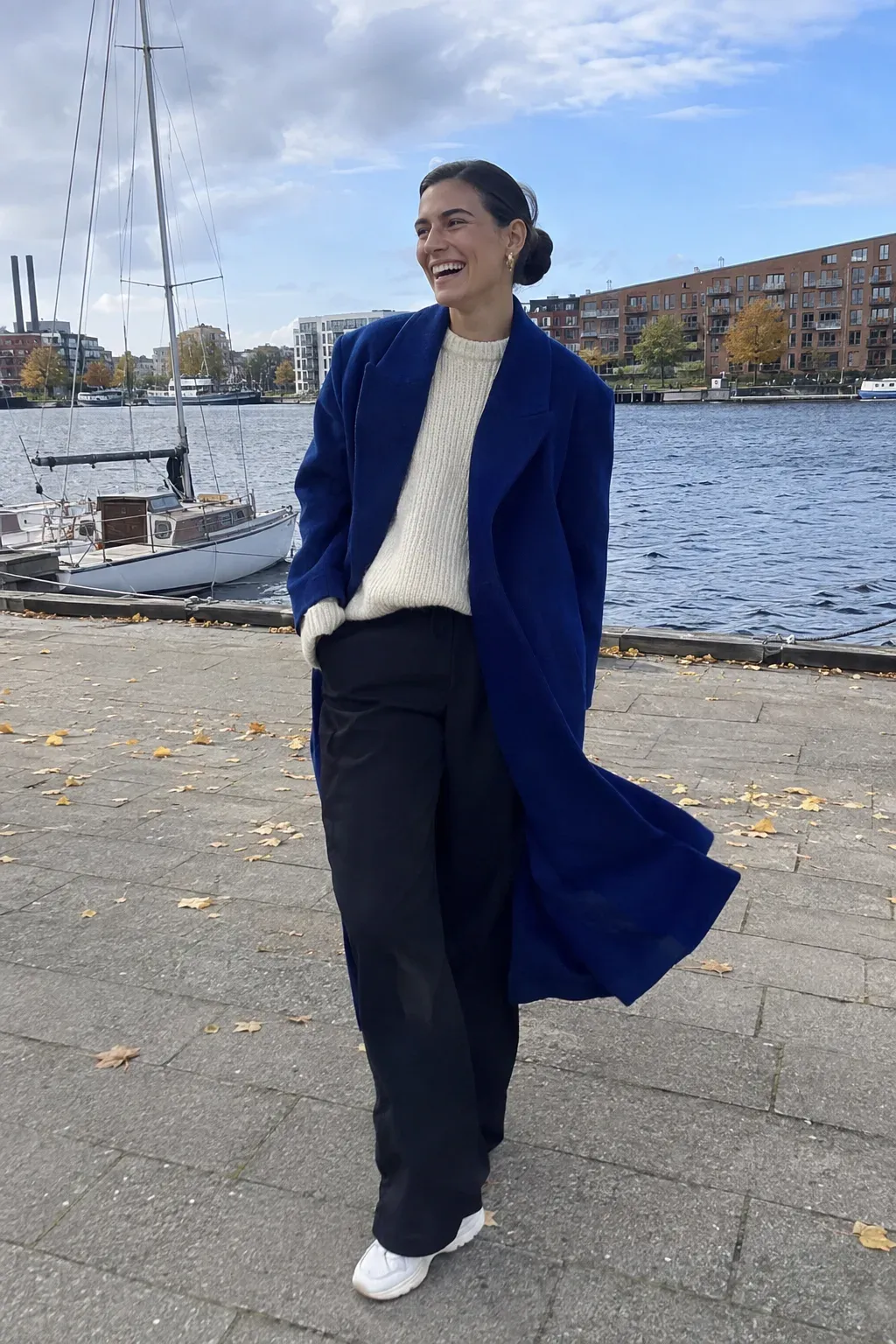
Around the posts:
- Stories when you can. New arrivals, a poll on which color to restock, a reminder that a drop opens tomorrow.
- One email. A new collection, a restock, a styling idea, or the story behind a piece.
- Answer questions fast. Sizing, fit, shipping and returns come up again and again. Each one is a buyer close to ordering. Keep good answers and reuse them.
- Look at the ads twice. Pause creatives that spend without selling, and refresh with new videos when the best ones slow down.
Plan for the seasons that matter to your customers: spring and summer collections, back to school, holiday parties, gifting and Black Friday. Weddings and vacations drive their own demand if you sell occasion or resort wear.
What to measure
Look past followers and likes. Watch these:
- Orders and revenue, and which channel brought them.
- Return on ad spend, per campaign and per creative.
- Conversion rate on your top product pages. If many view and few buy, look at the photos, the sizes in stock and the fit details.
- Return rate by product. High returns on one piece often mean the photos or the size guide are off.
- Sell through on each drop: how much of it sold, and how fast.
- Repeat customers and email revenue. Fashion brands grow when people come back for the next drop.
Do's and don'ts
Do
- Show every bestseller on more than one body type
- Say how a piece fits in plain words on the product page
- Have emails and posts ready before a drop opens
- Gift to small creators who match your style before you pay anyone
- Ask buyers to mention size and fit in their reviews
- Turn the videos that already got saves into ads
Don't
- Post only flat lays on a plain background
- Run constant sales that teach people to wait
- Show your clothes on models in one size only
- Chase trends that do not fit your brand
- Pay for big influencer posts before you know what sells
- Launch on every platform at once
People also ask Google and ChatGPT things like "linen dresses for summer weddings" or "jeans for tall women". Clear product names, honest descriptions and an About page that says what you stand for help you appear in those answers.
Frequently asked questions


Where to start today
Pick your best selling piece. Film a short try on in daylight, ideally on two different people, and post it. Then open its product page and add how it fits in one plain sentence. Put your next drop on a calendar with the date your posts and email go out. Those three small things start the rhythm that sells clothes.
The two things that matter most
Whatever you choose to do, two things decide whether your marketing grows: being consistent and being data-driven. Show up every week, not in bursts, because people forget a business that goes quiet. And look at what actually brought customers in before you plan the next week, so you do more of what works. Without both, you are mostly guessing, and growth comes and goes.
Let Huuve do it for you
Huuve does all of this for you on autopilot. It plans every week from what brought customers in, writes the posts and keeps you consistent, while you spend about 15 minutes approving it. That can save you 10+ hours a week. See how it works, or ask your own AI if Huuve fits you.

Try Huuve for 30 days
Huuve runs your Instagram, TikTok, Facebook and ads from one place and plans each week around your drops. You approve it in about 15 minutes, with your money back within 30 days if it is not for you.
From $149 a month
30-day money-back guarantee