
Beauty buyers are careful. They want to know a product works on skin, hair or a face like theirs before they spend money on it. Your marketing is mostly proof: real people, real results, honest answers. This guide shows where to start, what to skip, and how to tell it brings orders.
What actually brings customers to a beauty brand
A few things move beauty buyers far more than anything else. Most brands in Ecommerce share some of them, but beauty leans on proof harder than almost any other kind of store.
- Seeing it used. Application videos, textures, swatches on different skin tones and real before and after shots answer the question every buyer has: will this work for me?
- TikTok and Instagram. This is where people find new products, watch routines and ask questions in the comments. Short, honest videos sell better than glossy ads alone.
- Reviews. Beauty buyers read reviews closely, especially ones that mention skin type, shade or how long a product lasted. Reviews with photos help most.
- Meta ads. Your best organic videos, run as ads, are how most beauty brands reach new buyers beyond their followers.
- Your email list. Refill reminders, new shades and routine tips bring people back. A product people use up is a product they can reorder.
- Clear ingredients. People search for ingredients and for what to avoid. Listing them plainly, and saying what they do, builds trust.
What is mostly a waste of time: perfect studio shots with no one using the product, big claims you cannot back up, paying large accounts before you know which product sells, and posting the same promo graphic over and over.
Start here: the first steps, in order
- Set up tracking. Connect Google Analytics, the Meta pixel and the Google tag to your store, and place a test order to make sure purchases are recorded.
- Fix your hero product page. Pick the one or two products that sell most. Add photos and a short video of the product in use, swatches on several skin tones, the full ingredient list, who it is for, how to use it, and reviews. Every channel sends people here.
- Start collecting emails. Offer something useful, like a routine guide or a thank you on the first order. Set up a welcome series, an abandoned cart email and a refill reminder timed to when a product usually runs out.
- Choose your main channel. TikTok if you or your team can show the product on camera. Instagram for most brands.
- Collect reviews and customer posts. Ask every buyer for a review once they have had time to try the product. Ask permission before you share photos and videos customers post.
- Test Meta ads with your best videos. Use the clips that got real saves and questions. Start with a modest budget, keep what brings orders, and stop what does not.
A realistic week
Steady and honest wins. This is the plan Huuve runs for online stores, beauty brands included:
A week of marketing for a beauty brand
The plan Huuve runs for stores: 4 channels, what goes on each one and why. The week Fern & Fable gets.
Marketing channels
 Instagram4 posts a weekWhere your buyers browse. Packing-table Reels reach people who have never heard of you.
 TikTok3 posts a weekWhere the launches travel. One clip of the print press did more than a month of product shots.
 Facebook2 posts a weekWhere your repeat buyers are. Restock alerts sell through in days.
 Meta AdsYour buyers browse Facebook and Instagram, and ads bring your best products to people who have not heard of you. Huuve plans and writes the ads and you approve every one.
 Google AdsBuyers search for what you sell, and a Google ad puts your webshop at the top. Huuve plans and writes the ads and you approve every one.
- TikTok AdsProduct videos travel on TikTok, and ads take your best clip to many more buyers. Huuve plans and writes the ads and you approve every one.
 Pinterest AdsPeople plan purchases on Pinterest, and ads put your products in their search. Huuve plans and writes the ads and you approve every one.
 RadarPeople ask which product to buy and read reviews of every store, and Radar finds those posts. You answer the ones that matter first.
What to post
- Products in use35%Your products in real life, used by real people. Shoppers buy what they can picture in their own life.
- Take a photo of a bestseller being used at home
- Film a 15-second unboxing of a new product
- New and bestsellers25%What just arrived and what everyone buys. It gives people a reason to look now.
- Tell us what is new in the store this week
- Name your three bestsellers this month
- Customer photos and reviews20%Photos and words from people who bought. Proof from other buyers is what makes a stranger trust a store.
- Share a review a customer left this week
- Ask a customer for a photo of their order
- Behind the brand20%How products are made, picked or packed, and the people behind them. It makes a store a brand people root for.
- Film 15 seconds of an order being packed
- Take a photo of a new product being made or picked
Instagram carries most of the week, because that is where your buyers browse routines and save products to try. TikTok is where new buyers find you, through short videos of the product on real skin. Facebook keeps your repeat buyers close, which matters for anything people use up and reorder.
For a beauty brand, the four parts of the week look like this:
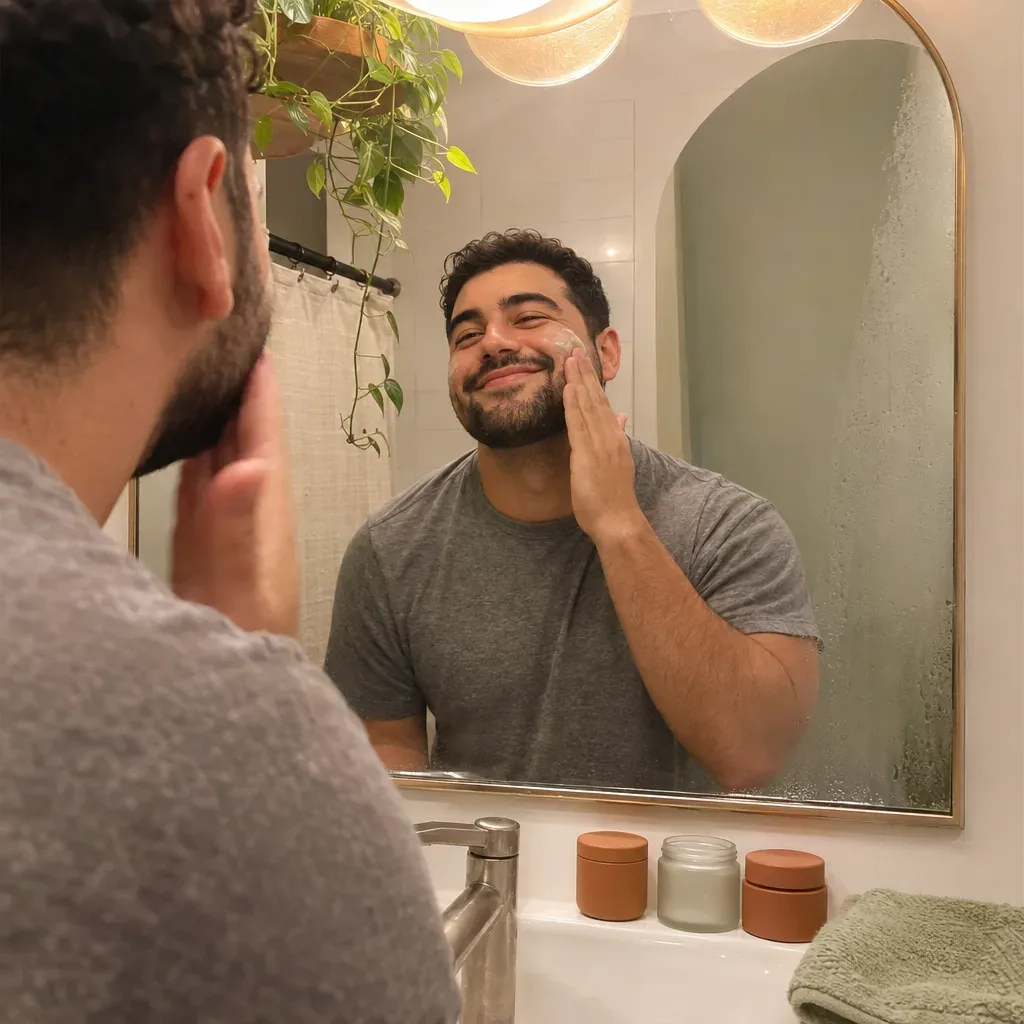
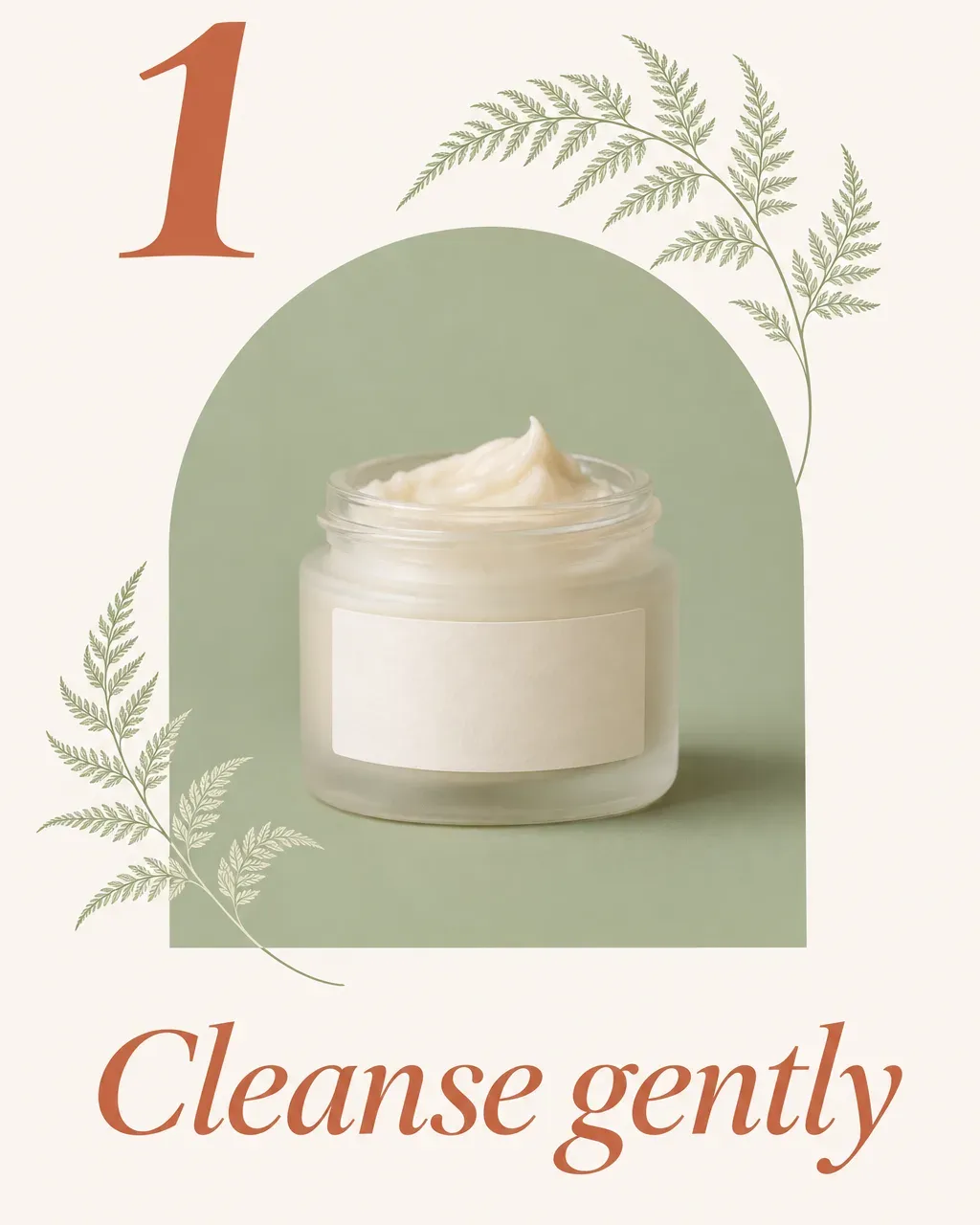
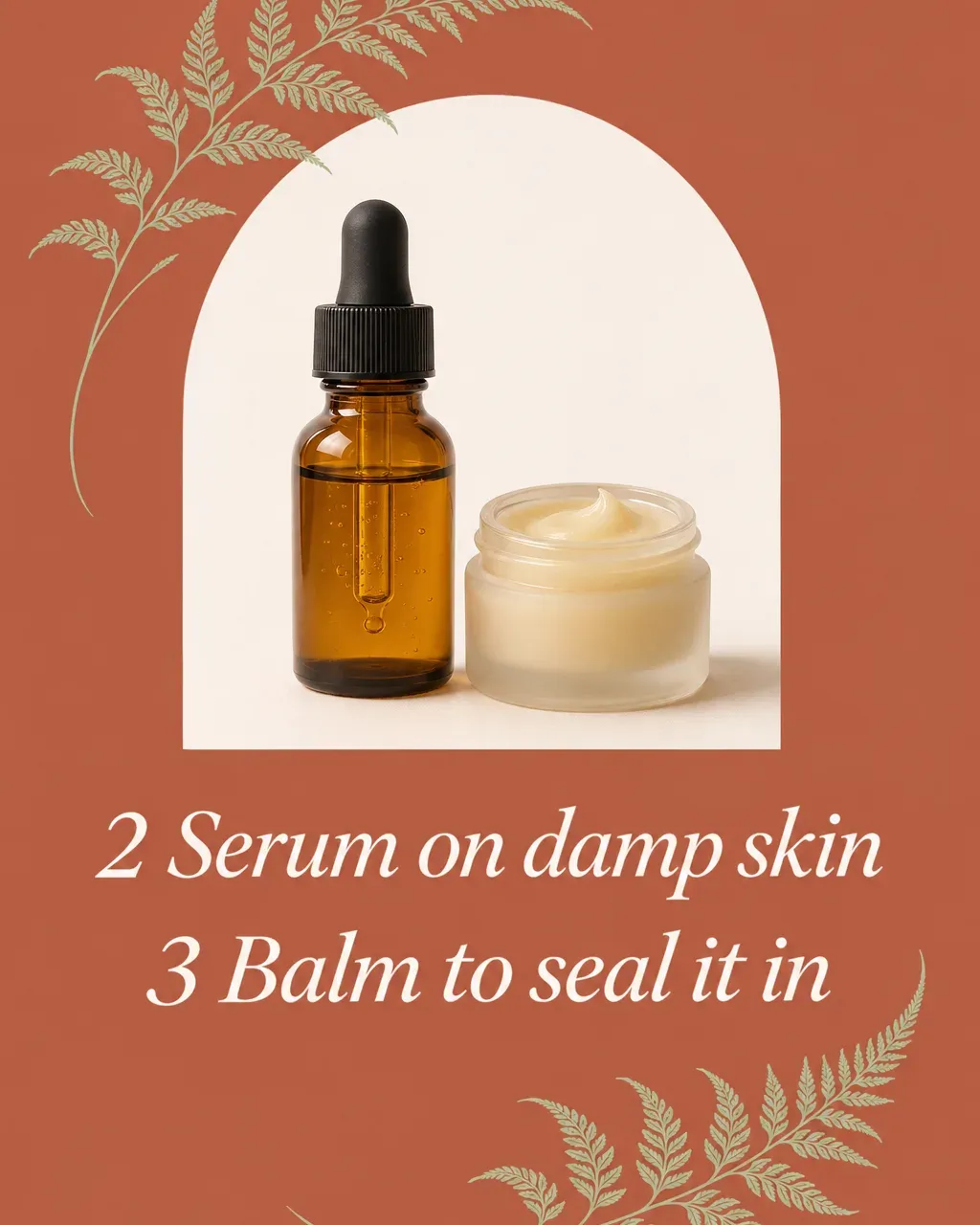
- Products in use. About a third of your posts. A 30 second morning routine with your cleanser, the same serum on dry and oily skin, a texture close up.
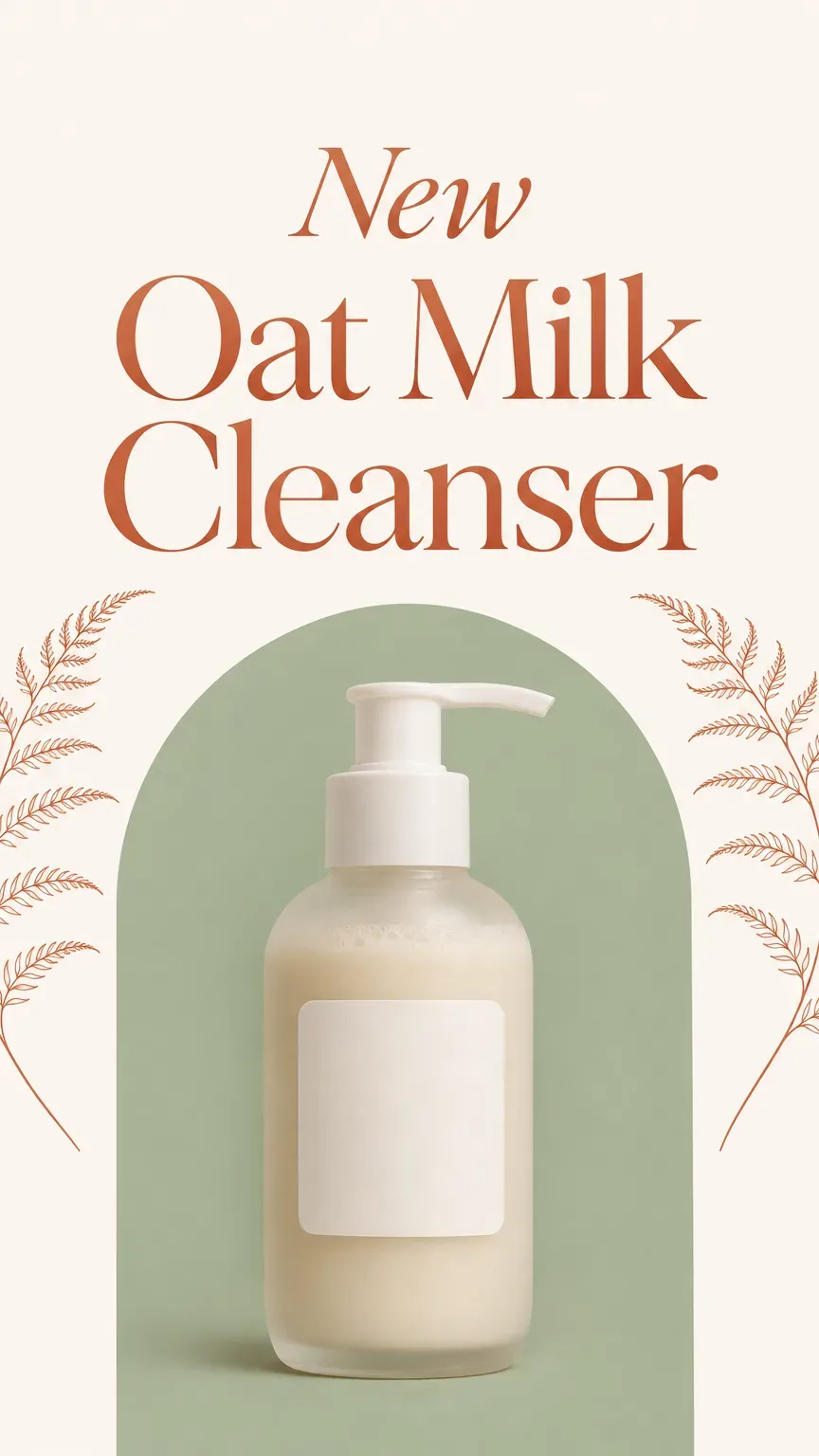
- New and bestsellers. A new shade, your three bestsellers this month, a product that is almost sold out.
- Customer photos and reviews. A customer's result shared with permission, or the product that gets the most five star reviews.
- Behind the brand. A batch being filled, how you chose an ingredient, the founder answering "can I use this with retinol?"
You film the routines and the making of. Huuve writes the new product, bestseller and review posts.
Posts for Salt Fern Skincare





Ads for Salt Fern Skincare

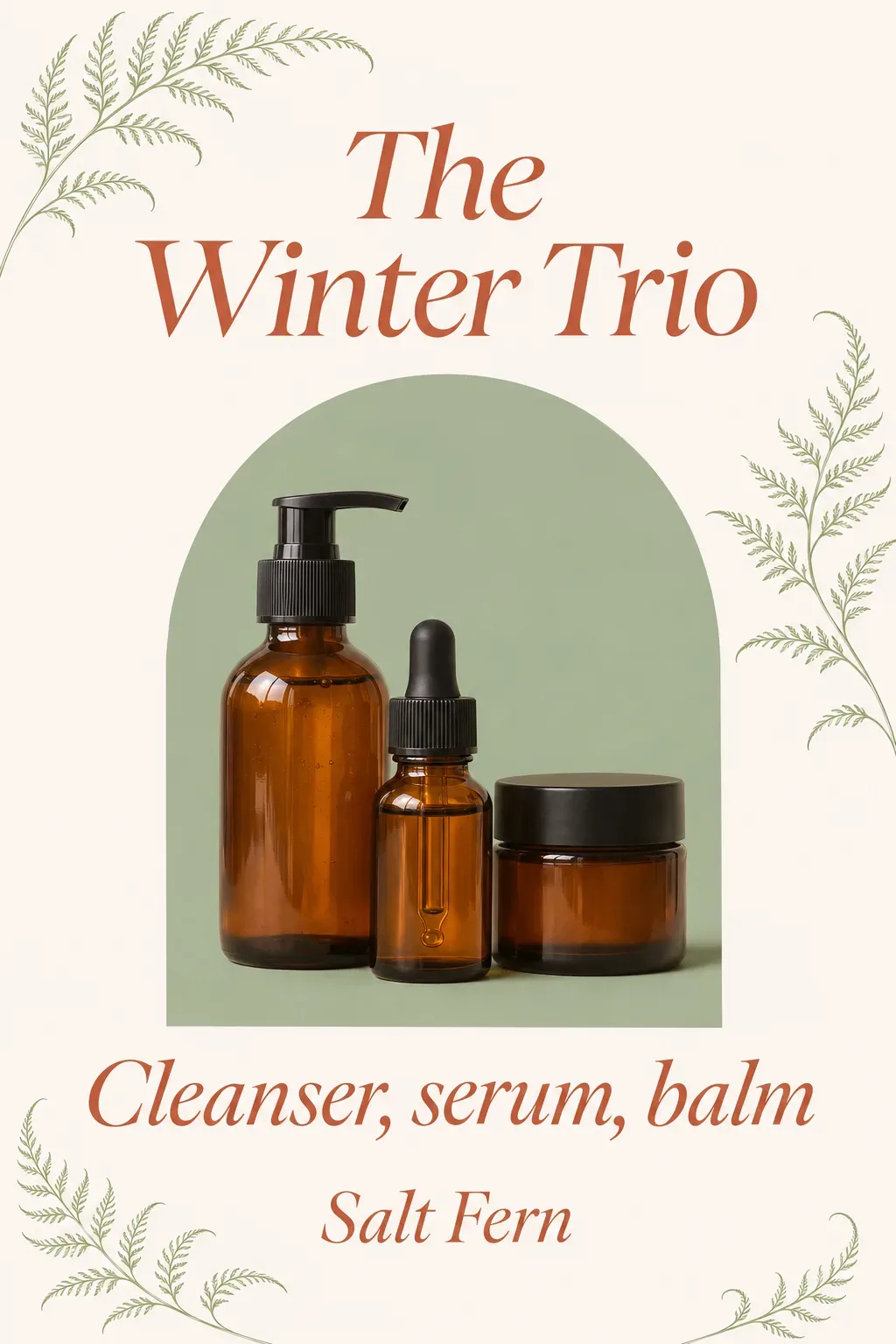
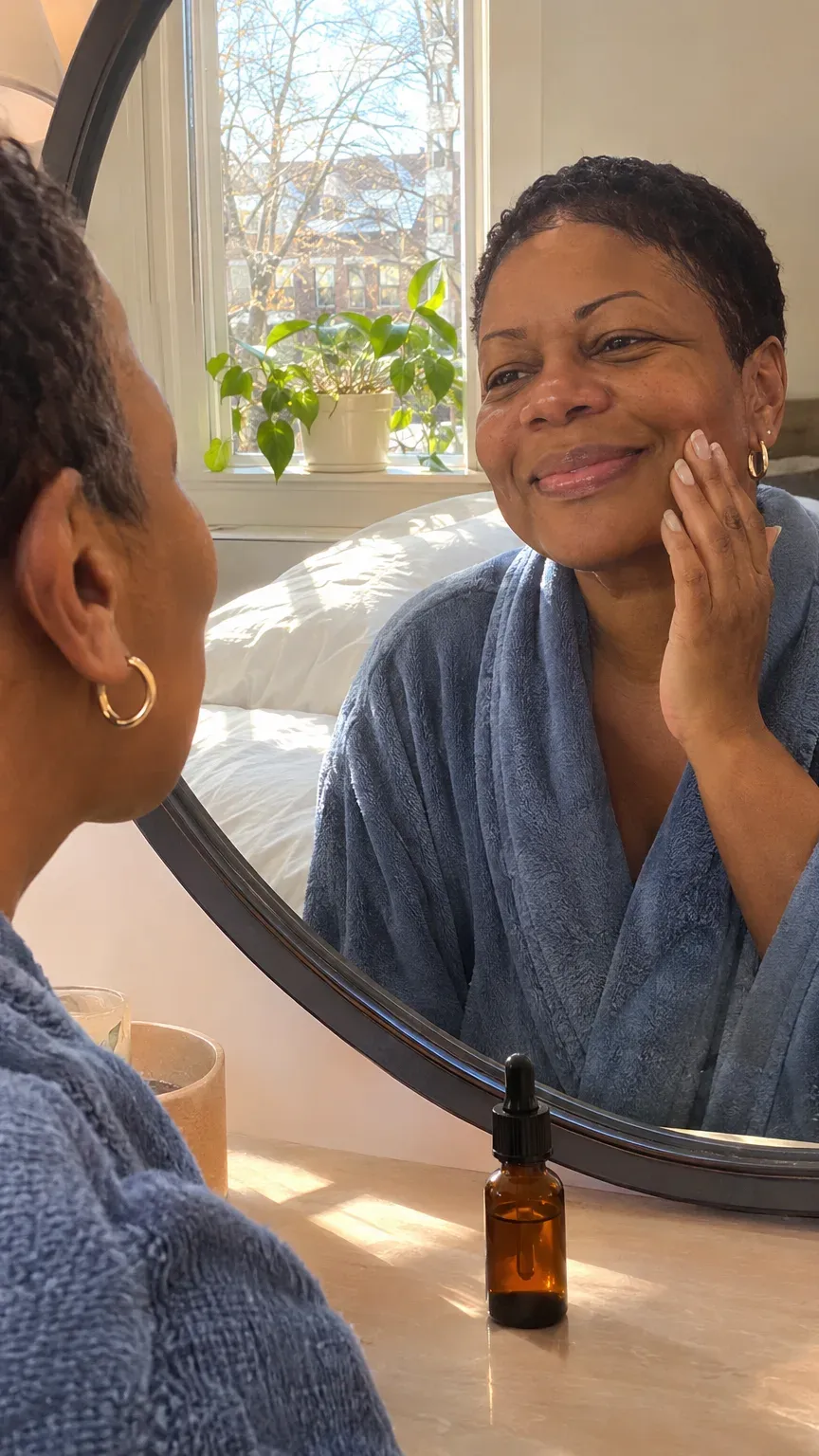
Around the posts:
- Stories most days. A restock note, a poll on the next shade, a quick tip.
- One email. A routine idea, a new product, a refill reminder, or the story behind an ingredient.
- Answer every comment and message. Questions about skin types, ingredients, allergies and shades are buyers deciding. Answer clearly, and never promise medical results.
- Reply to new reviews. Thank people, and answer complaints calmly with a way to fix it.
- Check the ads twice. Pause creatives that spend without selling, and add fresh videos when the best ones slow down.
Plan for the moments your customers shop: the holidays and gift sets, Black Friday, Valentine's Day, Mother's Day, and the change of seasons, like summer skin care or winter dry skin.
What to measure
Likes are nice. These pay the bills:
- Orders and revenue, and which channel brought them.
- Return on ad spend, per campaign and per video.
- Conversion rate on your hero products. If many visit and few buy, look at the photos, the shades in stock and the reviews.
- Repeat purchase rate. Beauty brands grow when people reorder. Watch how many come back, and how soon.
- Email revenue, especially from refill reminders.
- Review count and rating on your top products.
Do's and don'ts
Do
- Show your products on several skin tones and skin types
- List every ingredient and say what it does
- Time a refill reminder to when a product usually runs out
- Ask for reviews once buyers have had time to try the product
- Send product to small creators with a real audience for your skin or hair type
- Answer ingredient and allergy questions clearly
Don't
- Make medical claims like "cures acne"
- Post studio shots with nobody using the product
- Hide your ingredients
- Discount so often that full price feels wrong
- Launch a new product before the first one sells well
- Share a customer's photo without asking first
Only say what you can back up. Platforms reject ads with medical claims, and buyers stop trusting a brand that overpromises. People also ask Google and ChatGPT things like "fragrance free moisturizer for sensitive skin". Clear product pages, full ingredients, honest descriptions and reviews help you show up in those answers.
Frequently asked questions



Where to start today
Open your best selling product page and check three things: a video of the product in use, swatches or results on more than one skin tone, and the full ingredient list. Add whichever is missing. Then film one short, honest video of the product on real skin and post it. If you have an email list, set up a refill reminder. That one email keeps working long after you set it.
The two things that matter most
Whatever you choose to do, two things decide whether your marketing grows: being consistent and being data-driven. Show up every week, not in bursts, because people forget a business that goes quiet. And look at what actually brought customers in before you plan the next week, so you do more of what works. Without both, you are mostly guessing, and growth comes and goes.
Let Huuve do it for you
Huuve does all of this for you on autopilot. It plans every week from what brought customers in, writes the posts and keeps you consistent, while you spend about 15 minutes approving it. That can save you 10+ hours a week. See how it works, or ask your own AI if Huuve fits you.

Try Huuve for 30 days
Huuve runs your TikTok, Instagram, Facebook and ads from one place and plans every week. You approve it in about 15 minutes, with your money back within 30 days if it is not for you.
From $149 a month
30-day money-back guarantee