
Real estate is a referral business with long gaps in between. A seller you helped five years ago may move again next spring, and their neighbor is deciding right now who to call. This guide shows the few things that bring listings and buyers to an agent, and how to keep your name in front of people without living on your phone.
What actually brings clients to a real estate agent
People choose an agent they trust with one of the biggest decisions they make. Most ask friends first, then look you up. A few things move that choice.
- Your past clients and sphere. Friends, neighbors and past clients send most of the work. Staying in touch is the job.
- Local proof. Sellers want someone who knows their street. Sold homes, market updates and neighborhood knowledge show that.
- Your listings, shown well. Every listing is content. A good walkthrough sells that home and shows the next seller how you would market theirs.
- Google search and Google Maps. "Real estate agent in Maplewood" and "realtor near me" are real searches. A complete Google Business Profile with reviews matters a lot here.
- AI answers. People now ask ChatGPT "who is a good agent for first-time buyers in Austin?". AI tools read your reviews, your website and what others say about you.
- Fast replies. A buyer who messages three agents often goes with the one who answers first.
Agents share a lot with other experts whose clients buy trust before anything else. You can see how the same plan works for them under Experts and services.
What is mostly a waste of time: generic "just listed" graphics with no story, the same market charts every agent posts, and buying followers.
Start here: the first steps, in order
- Claim and complete your Google Business Profile. Add your areas, services, a real photo of you, and a link to book a call. Post your sold homes and open houses there too.
- Ask every past client for a review. Start with the ones from the last two years. Make it personal and easy, with a direct link.
- Make your website about your area. A page for each neighborhood or town you serve: what it is like to live there, the kind of homes, schools and parks. This helps both Google and AI answers find you.
- Get Instagram and Facebook working. Instagram for homes and neighborhood life. Facebook for local homeowners and community groups. Set up both profiles with a clear bio and a booking link.
- Set up a follow-up habit. Keep a simple list of past clients and contacts. Check in a few times a year with something useful, like a home value update or a local event.
- Answer fast. Turn on notifications for messages and lead forms, and reply within the hour when you can.
A realistic week
Here is the week Huuve plans for an agent: Instagram for the homes, Facebook for the sellers in your area, and your Google Business Profile so you look active when people search.
A week of marketing for a real estate agent
The plan Huuve runs for agencies: 3 channels, what goes on each one and why. The week Harbor & Main Realty gets.
Marketing channels
 Instagram6 posts a weekListings are content. Dusk exteriors and walkthrough Reels reach buyers before the portals do.
 Facebook4 posts a weekWhere the sellers in your area actually are. Just-sold posts with real numbers win the next listing.
 Google Business Profile1 post a week'Real estate agent near me' goes to whoever looks active. Every listing post keeps you at the top.
 SEOBuyers and sellers read your website to see your listings and your results.
 Meta AdsBuyers and sellers are on Facebook and Instagram, and ads put your listings in front of them. Huuve plans and writes the ads and you approve every one.
 Google AdsPeople search for an agent or a property near them, and a Google ad puts you at the top. Huuve plans and writes the ads and you approve every one.
 RadarPeople ask for an agent and talk about the local market online, and Radar finds those posts. You answer the ones that matter first.
What to post
- Homes for sale40%Listings shown well: photos, a short tour, what makes each home special. It sells the home and shows sellers how you market theirs.
- Send the photos of a new listing
- Film a 30-second walk through the best room
- Sold and happy clients20%Homes you sold and what clients say. Sellers pick the agent with proof of results.
- Tell us about a home you sold this month
- Take a photo of a client with the keys, with their permission
- The neighborhood20%Local spots, schools, parks and what living there is like. Buyers move to an area, not only a house.
- Take a photo of a favorite cafe or park in your area
- Tell us three reasons people move to your area
- Market updates20%Prices, demand and advice for buyers and sellers. It makes you the agent people ask before they decide.
- Tell us how prices moved in your area this month
- Name one thing sellers should fix before listing
Where it goes. Instagram gets six posts a week, because walkthroughs reach buyers before the portals do. Facebook gets four, because the homeowners in your area are there and just-sold posts win the next listing. Your Google Business Profile gets one update a week, so you look active to anyone searching for an agent nearby. Meta ads and Google Ads come in once you have listings and posts worth showing.
What to post. The biggest share is homes for sale. Then homes you sold and happy clients, the neighborhood, and market updates. A few examples:
- A short walkthrough video of a new listing, with the one detail buyers will love.
- "Just sold on Elm Street. Here is what made it stand out." With the seller's permission.
- "What your home is worth this spring: three things that matter on our side of town."
- A coffee shop, park or trail you love in a neighborhood you serve.
- First-time buyers holding their new keys, shared with their permission.
- An open house invitation for Saturday.
The photos and the walkthroughs come from you, because you are the one standing in the house. Huuve writes the captions and the market updates, and plans which home goes where.
Posts for Boulevard & Pine Realty

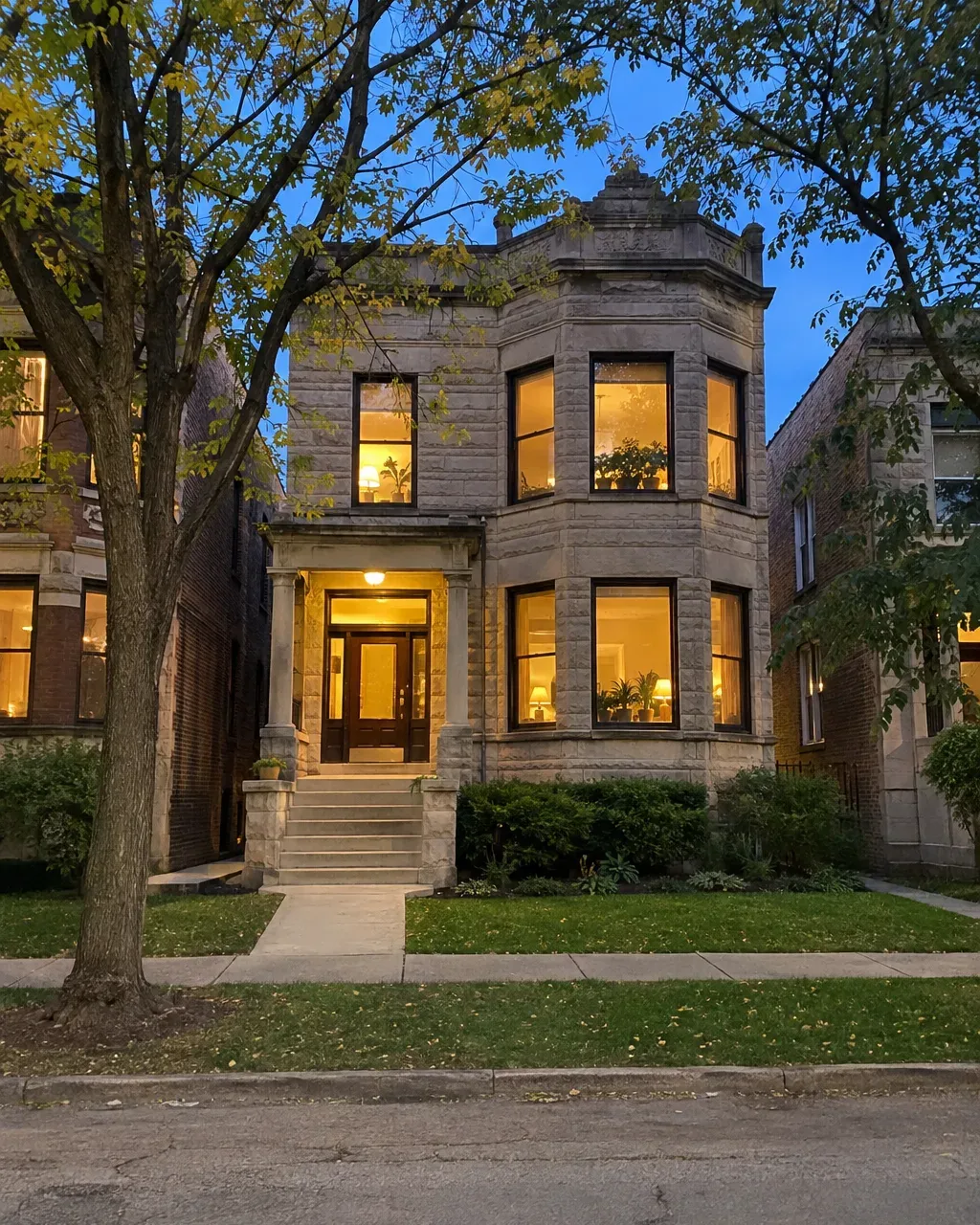
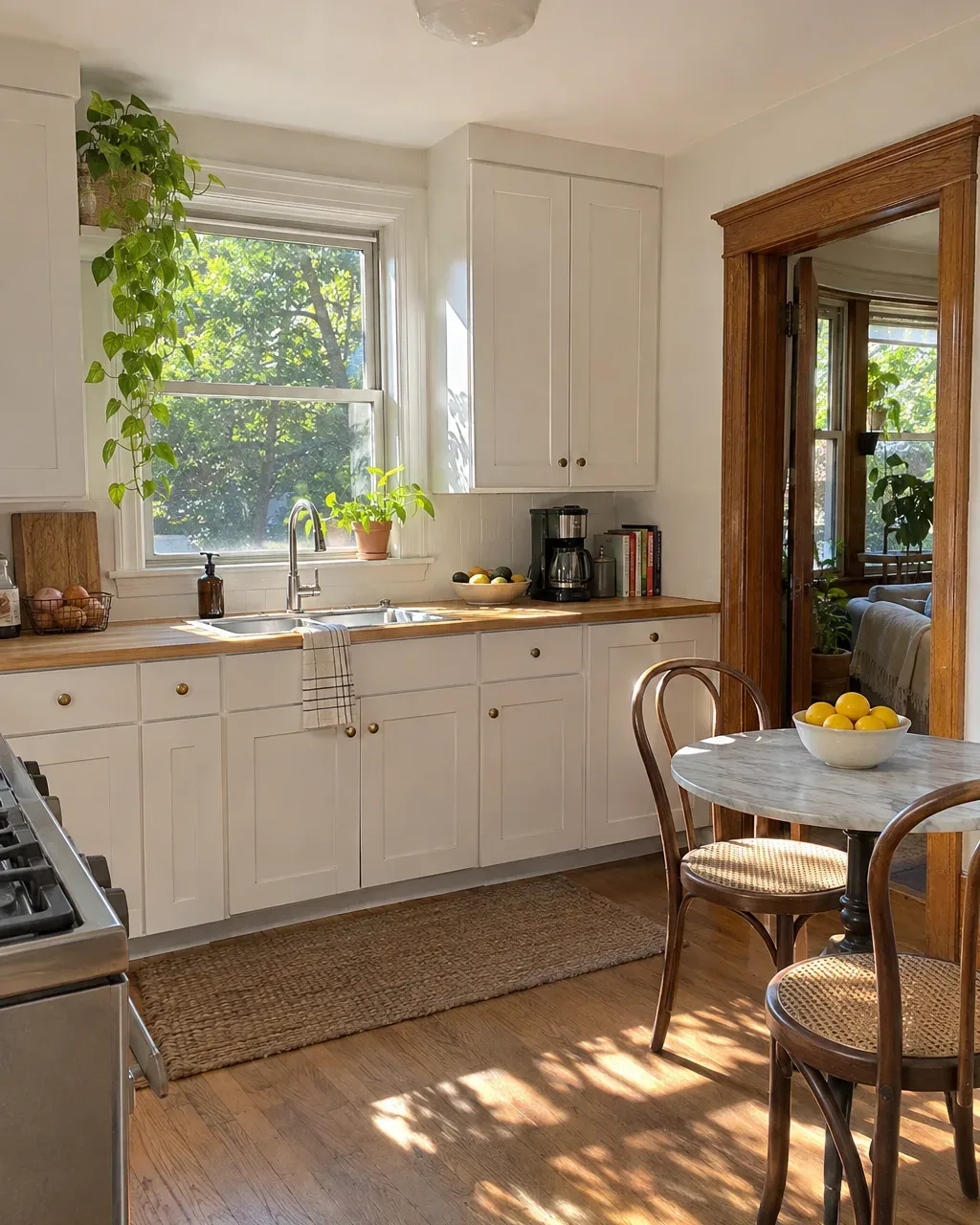
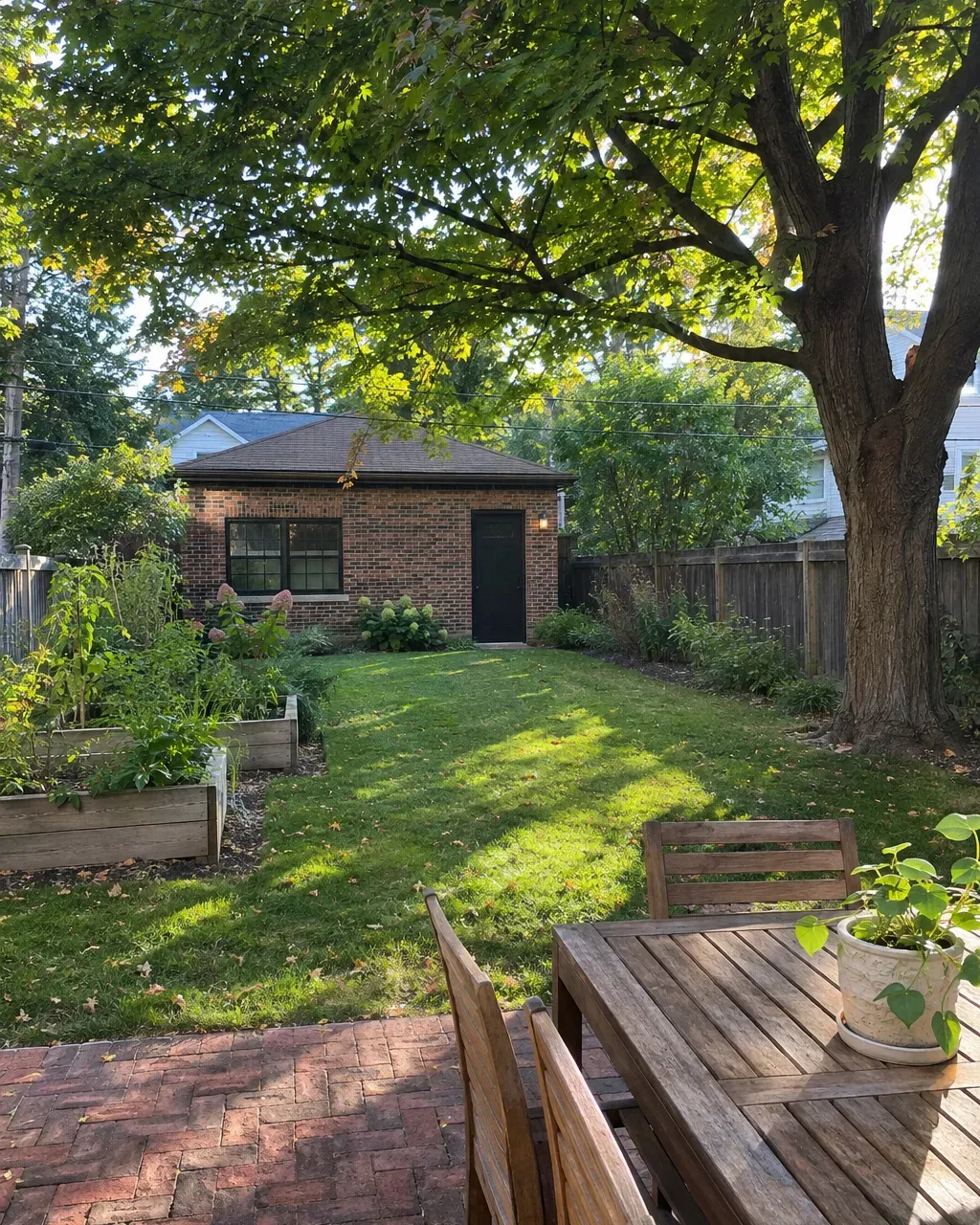





Ads for Boulevard & Pine Realty


What to answer. Every message, comment and lead form, the same day. Reply to every Google review with a short, personal thank-you. People also ask for an agent and talk about the local market in online groups, and a helpful answer there can start a relationship.
Who to call. A few people from your list each week. No pitch, just a check-in or a useful update.
What to look at. New leads, booked appointments, and where they came from.
Plan for your seasons. Late winter is for seller prep content and getting listings ready. Spring and early summer are the busiest months in most areas, so focus on listings, open houses and fast replies. Late summer brings families who want to move before school. Fall and winter are quieter: a good time for market updates, past client check-ins and planning.
What to measure
Likes do not sell homes. Watch these:
- Leads: messages, calls and form fills, and where each one came from.
- Appointments booked: listing presentations and buyer consultations.
- Calls and direction requests from your Google Business Profile.
- Referrals from past clients and your sphere.
- New reviews each month.
- Closed deals by source, once a quarter.
Ask every new client how they found you, and write it down. Keep the answer with the deal, because a sale can close months after the first message. After a season you will know whether your listings, your neighborhood posts or your past clients bring the most business, and you can give that more of your week.
Do's and don'ts
A few things to weigh before you spend money.
- Start with what keeps working. Your profile, reviews, neighborhood pages and follow-ups cost little and work for years.
- Ads come once you have something to show. Meta ads for an open house or a just-listed video can reach local buyers. Google Ads can catch sellers searching for a home valuation. Start small, with one clear goal.
- Housing ads have their own rules. Housing ads on Meta and Google have special rules that limit how you can target people. Follow fair housing rules in every post and ad, and check your brokerage's and your state's advertising rules.
- Maps and AI answers. Maps wins "agent near me" searches. AI answers win questions like "best agent for downsizing in Phoenix". Both reward real reviews, clear area pages and the same details everywhere.
Do
- Show every listing with a real walkthrough, not only a graphic
- Post just-sold homes with the seller's permission
- Ask for a review right after closing, when the joy is fresh
- Reply to every lead the same day
- Check in with past clients a few times a year
- Follow fair housing rules in every post and ad
Don't
- Post only listings
- Let a lead wait overnight
- Forget past clients after closing
- Use the same canned content as every other agent
- Offer anything in return for a review
- Target housing ads in ways the platforms' rules do not allow
Frequently asked questions
More marketing guides like this





Where to start today
Open your Google Business Profile and add your last sold home as an update. Then send a personal review request to three clients who closed in the last two years. Pick one neighborhood you love and write down three reasons people move there. That is your first area page and your next post.
The two things that matter most
Whatever you choose to do, two things decide whether your marketing grows: being consistent and being data-driven. Show up every week, not in bursts, because people forget a business that goes quiet. And look at what actually brought customers in before you plan the next week, so you do more of what works. Without both, you are mostly guessing, and growth comes and goes.
Let Huuve do it for you
Huuve does all of this for you on autopilot. It plans every week from what brought customers in, writes the posts and keeps you consistent, while you spend about 15 minutes approving it. That can save you 10+ hours a week. See how it works, or ask your own AI if Huuve fits you.

Try Huuve for 30 days
Connect Instagram, Facebook and your Google Business Profile, and press Start. You approve the week in about 15 minutes.
From $149 a month
30-day money-back guarantee